01
Systems Must Evolve With Growth
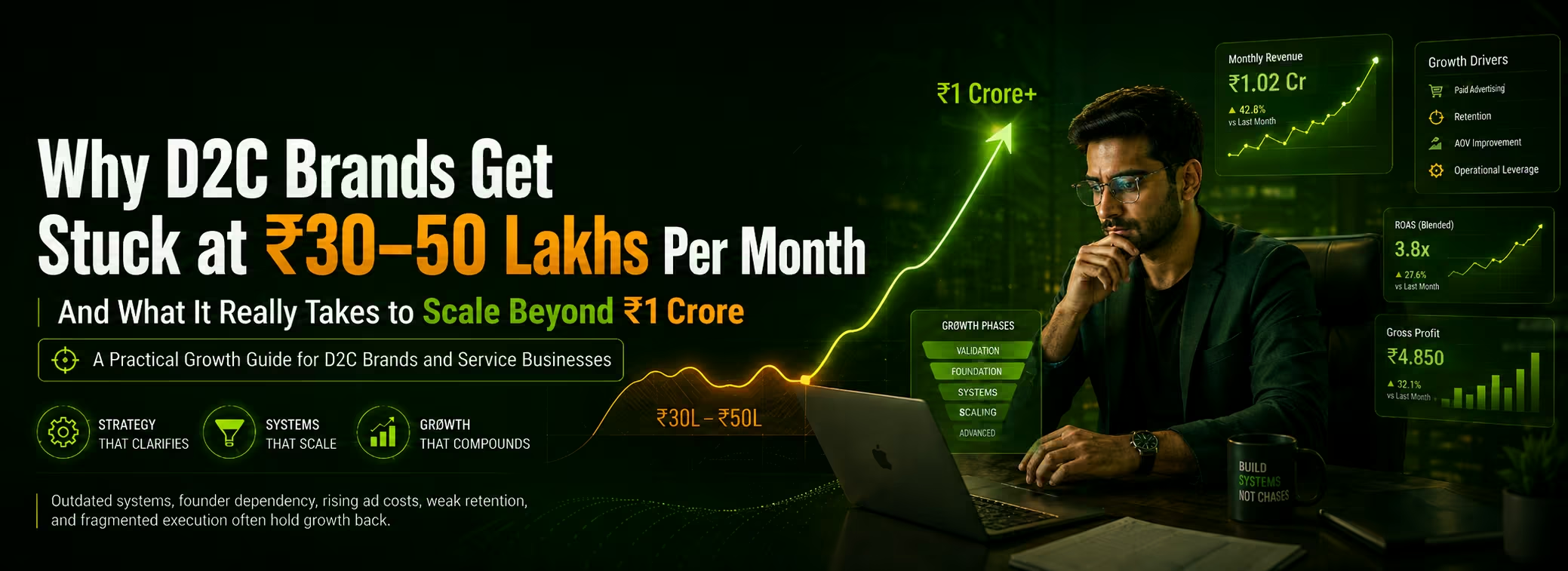
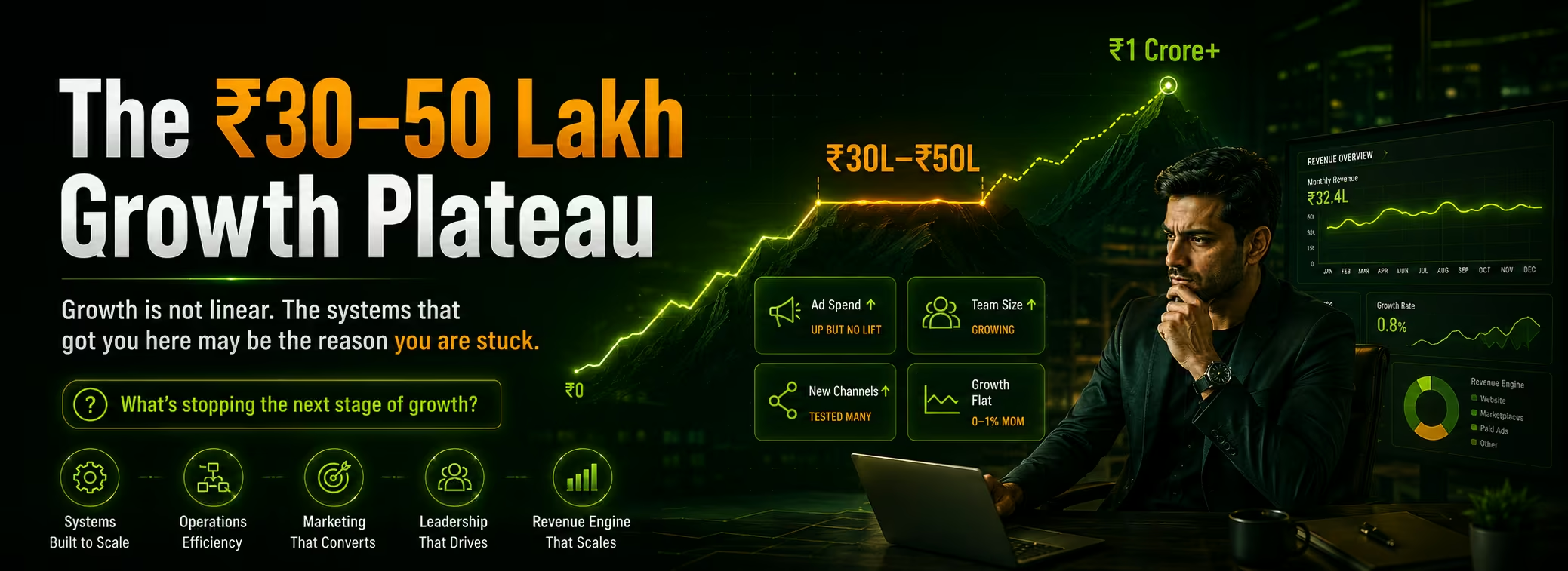
Businesses rarely get stuck because of poor products. They get stuck because the systems that helped them reach ₹30–50 lakhs are not designed for the next stage of growth.


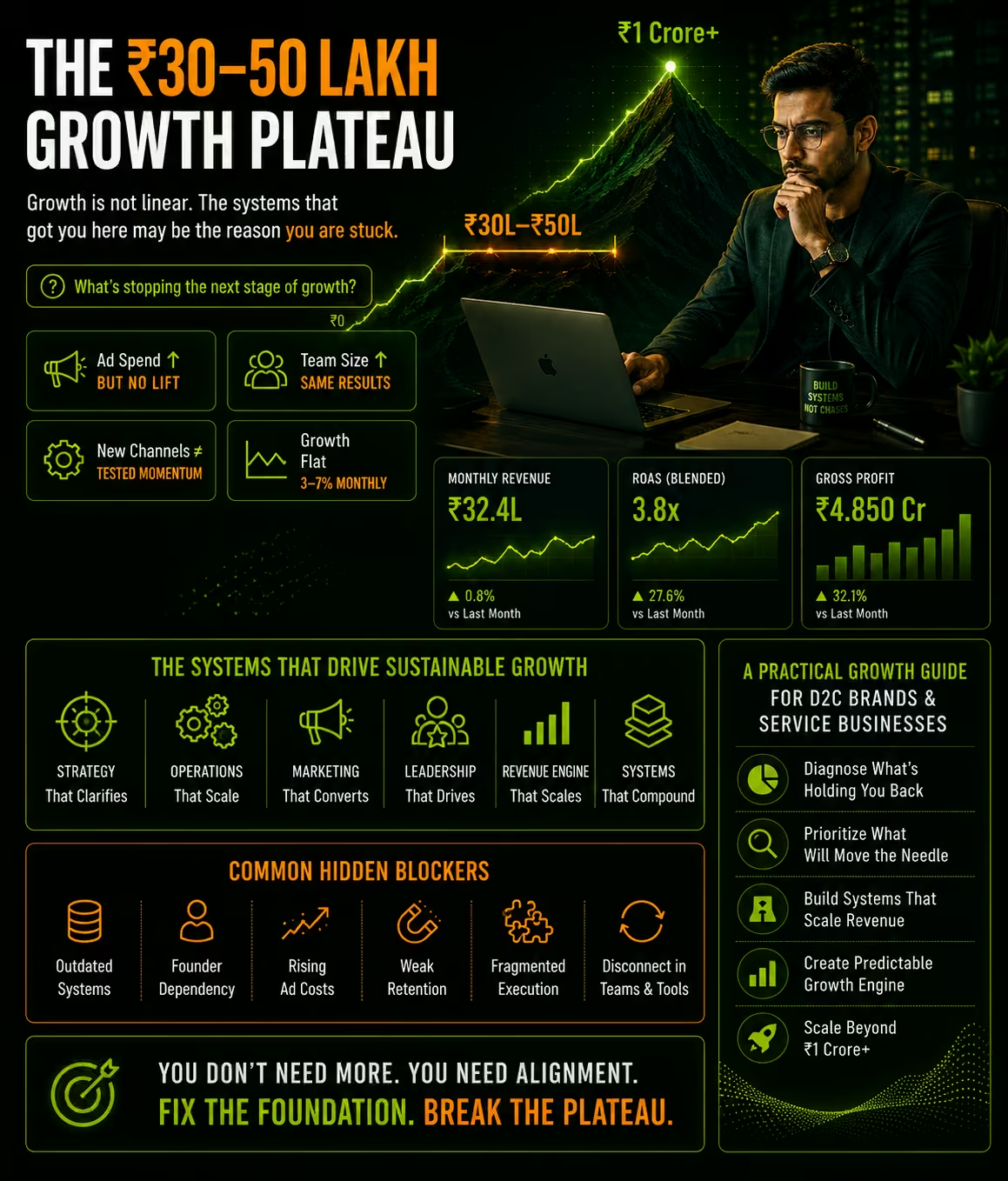
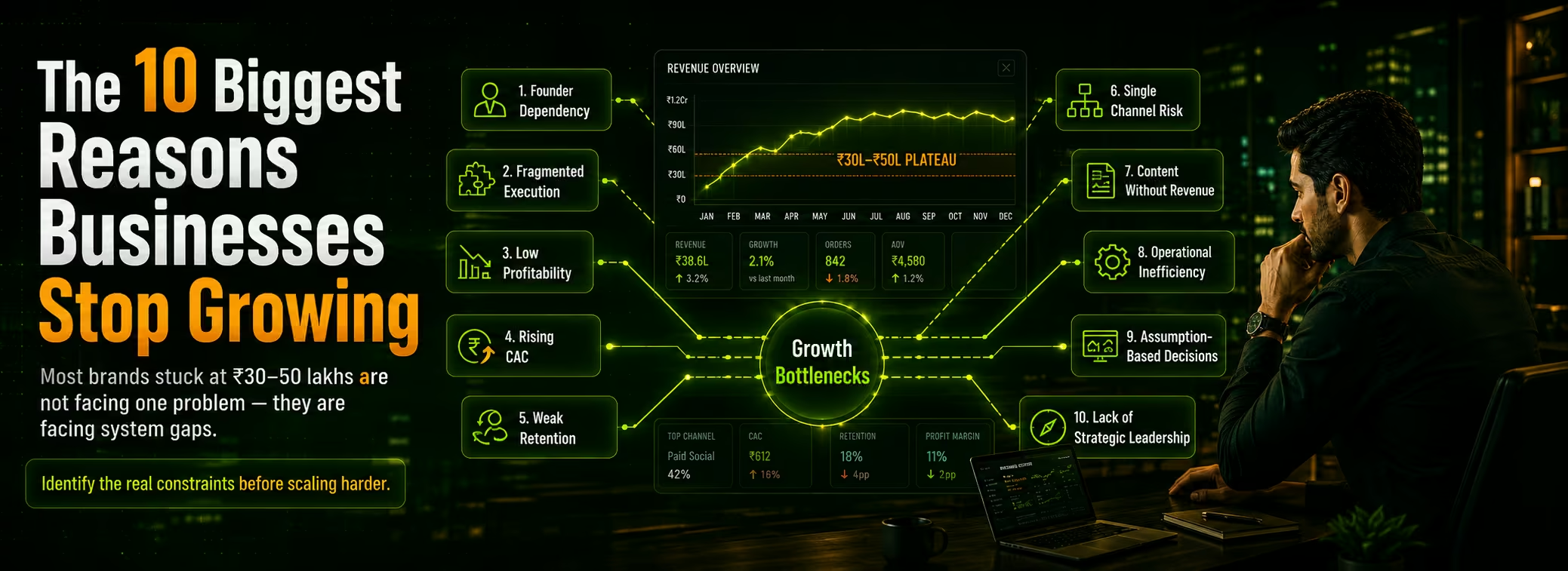
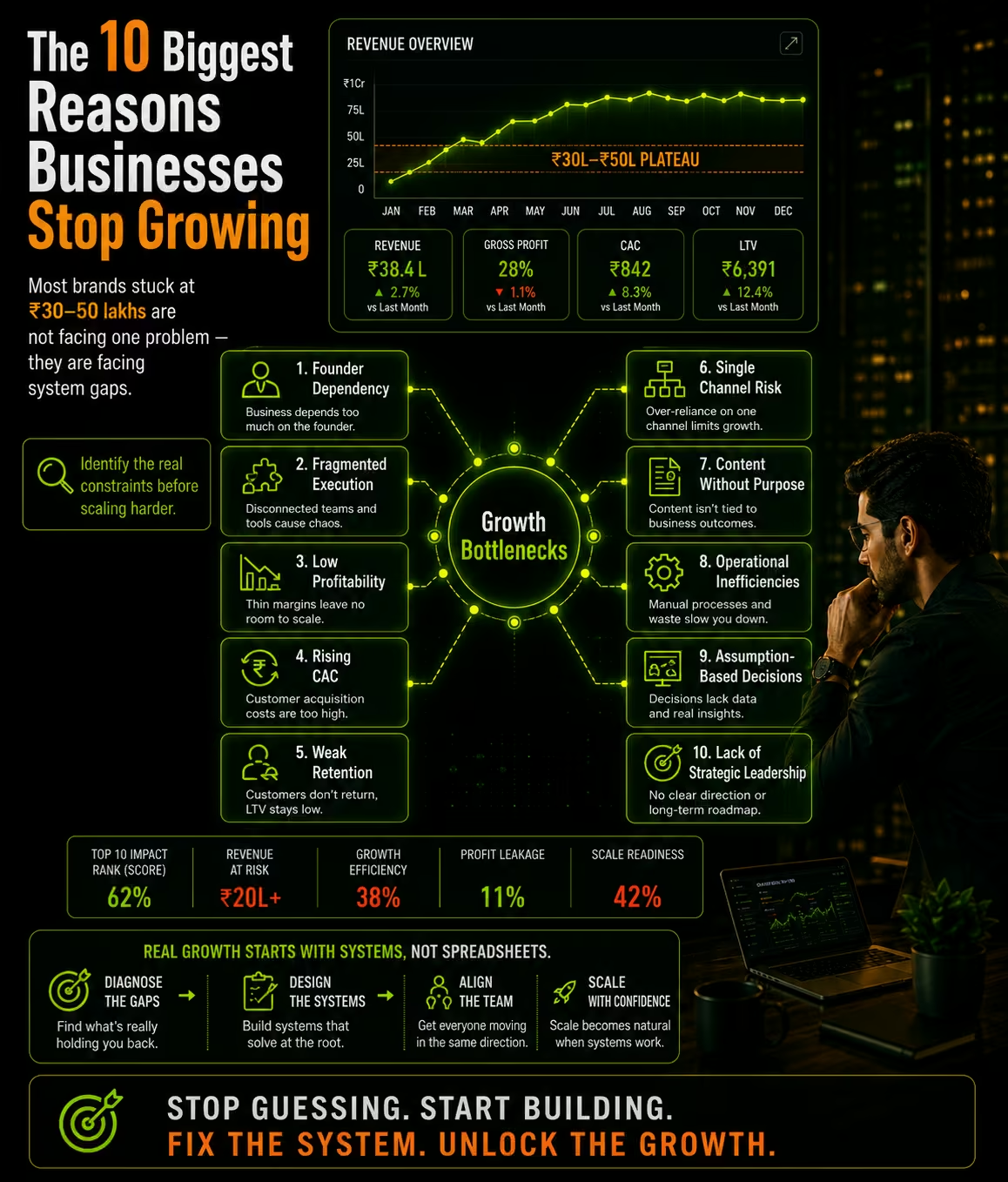
Across D2C, ecommerce and online service businesses, the same growth barriers appear repeatedly. Most businesses stuck between ₹30–50 lakhs per month usually face a combination of these challenges.
Every critical decision still depends on the founder.
Teams work separately without shared priorities.
Revenue increases, but margins remain under pressure.
Customer acquisition costs rise faster than revenue.
Too few customers return for repeat purchases.
Growth depends too heavily on one sales channel.
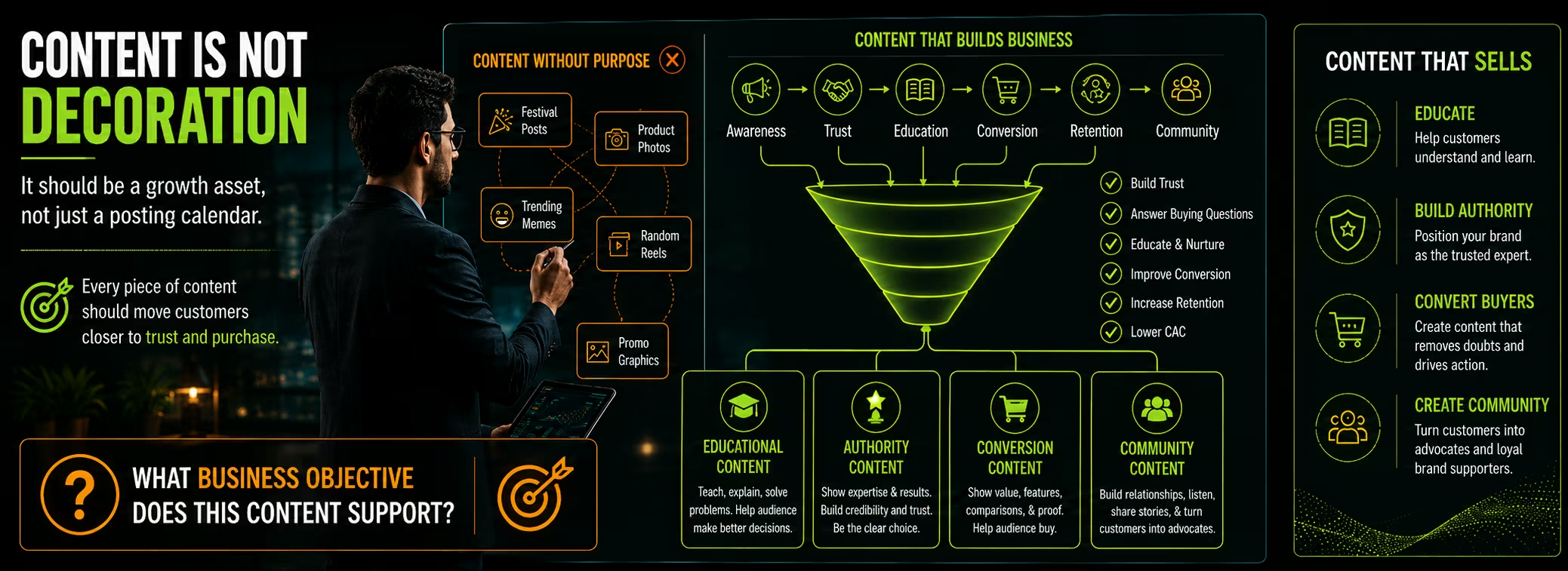
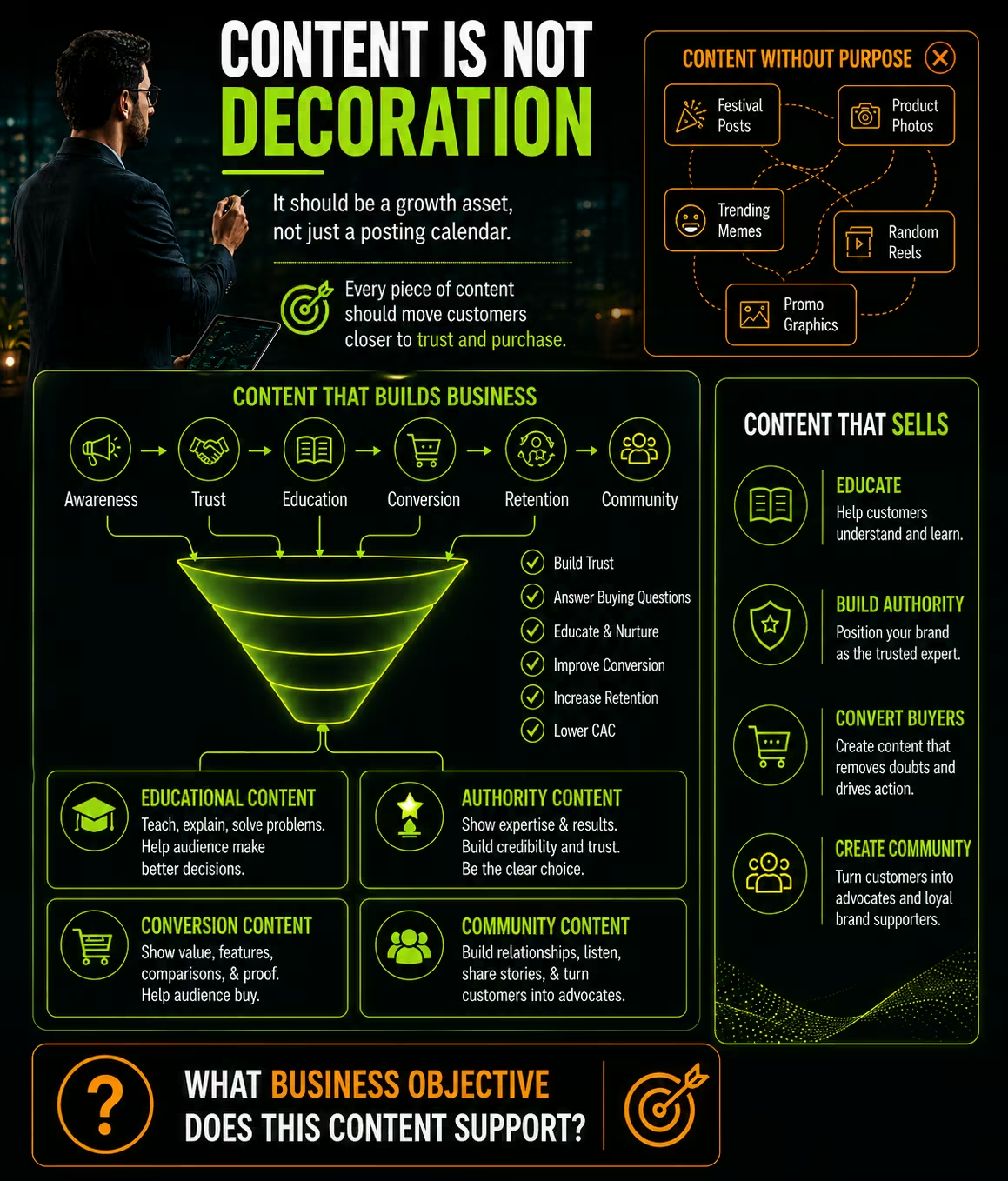
Content fails to communicate value and build trust.
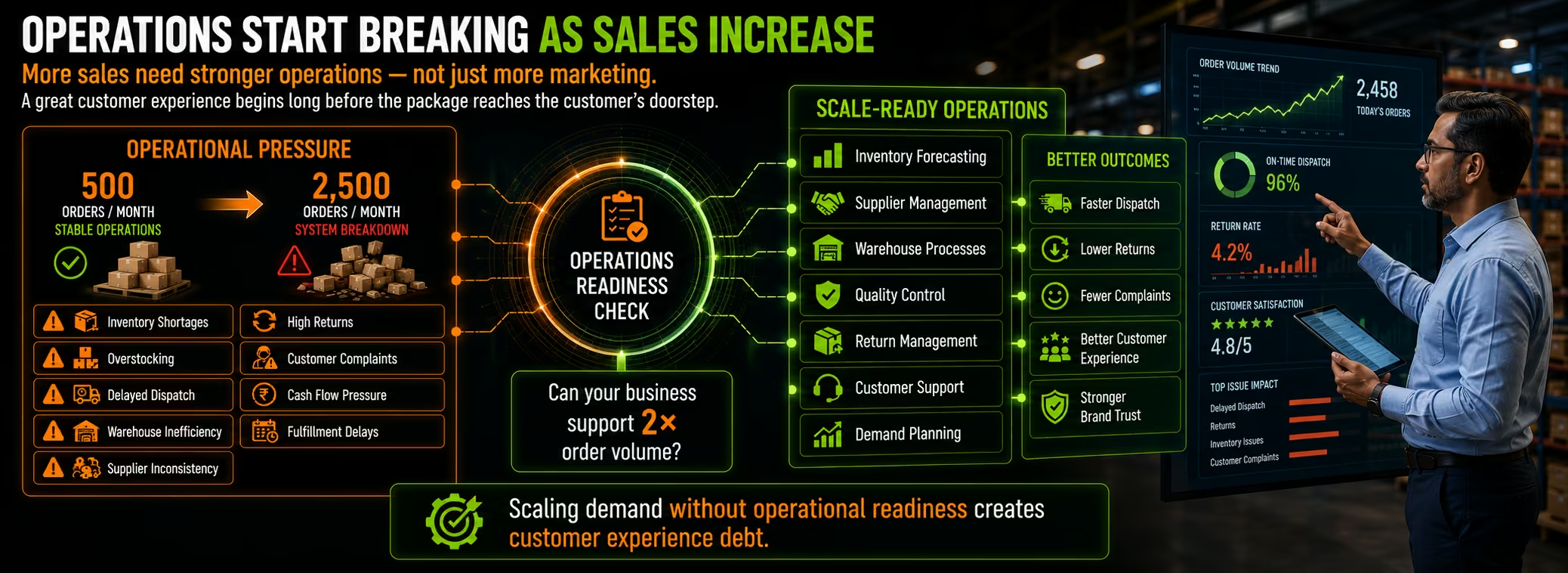
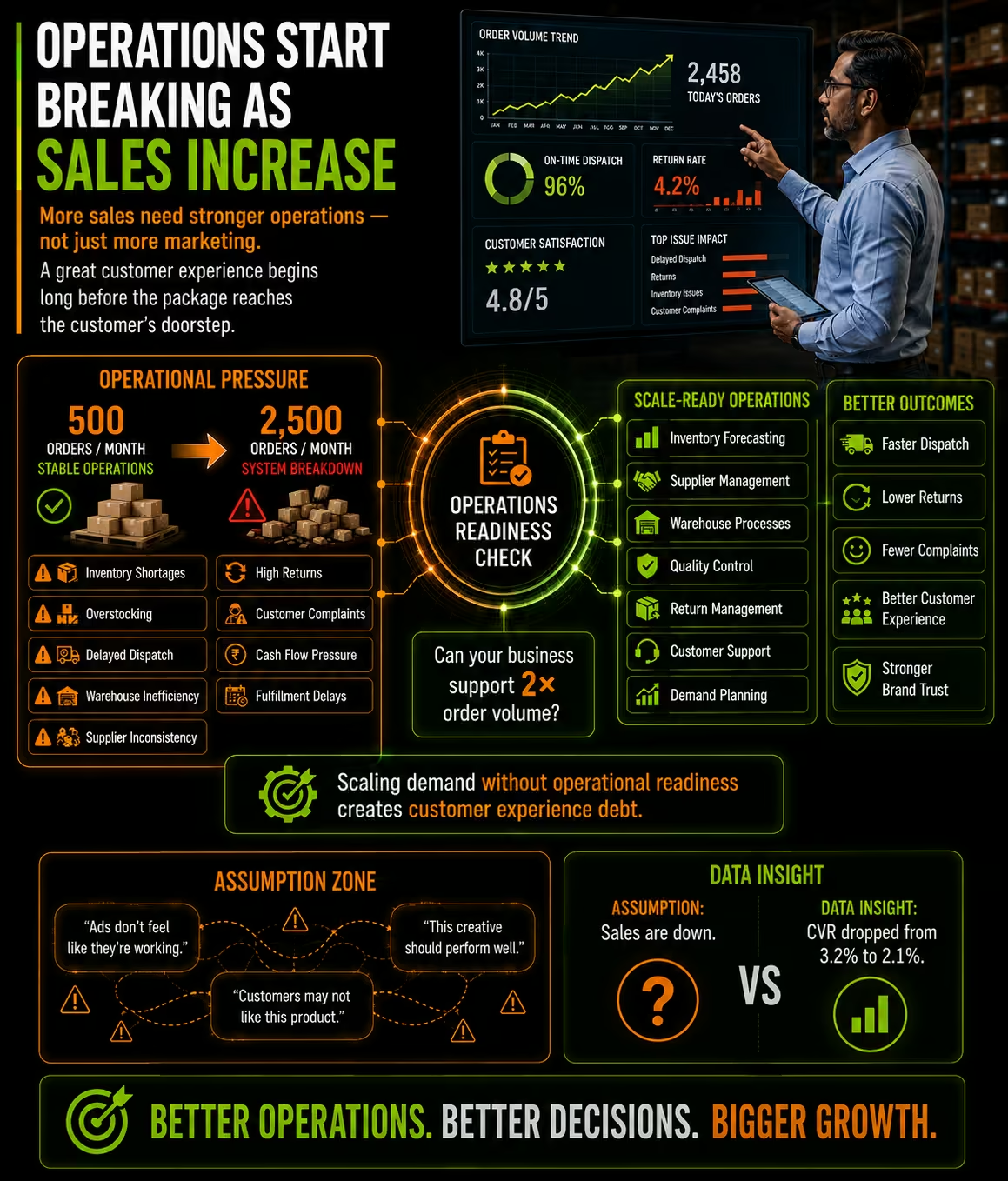
Processes break as order volume and complexity increase.
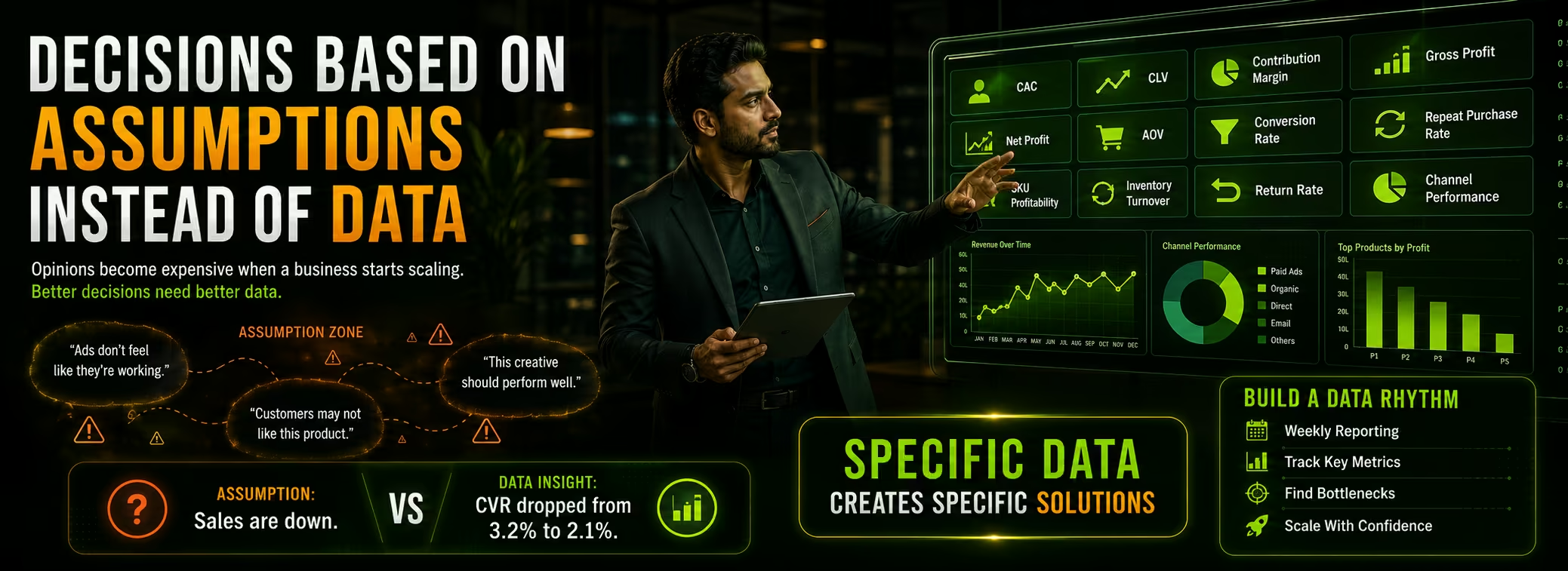
Decisions are driven by opinions instead of reliable data.
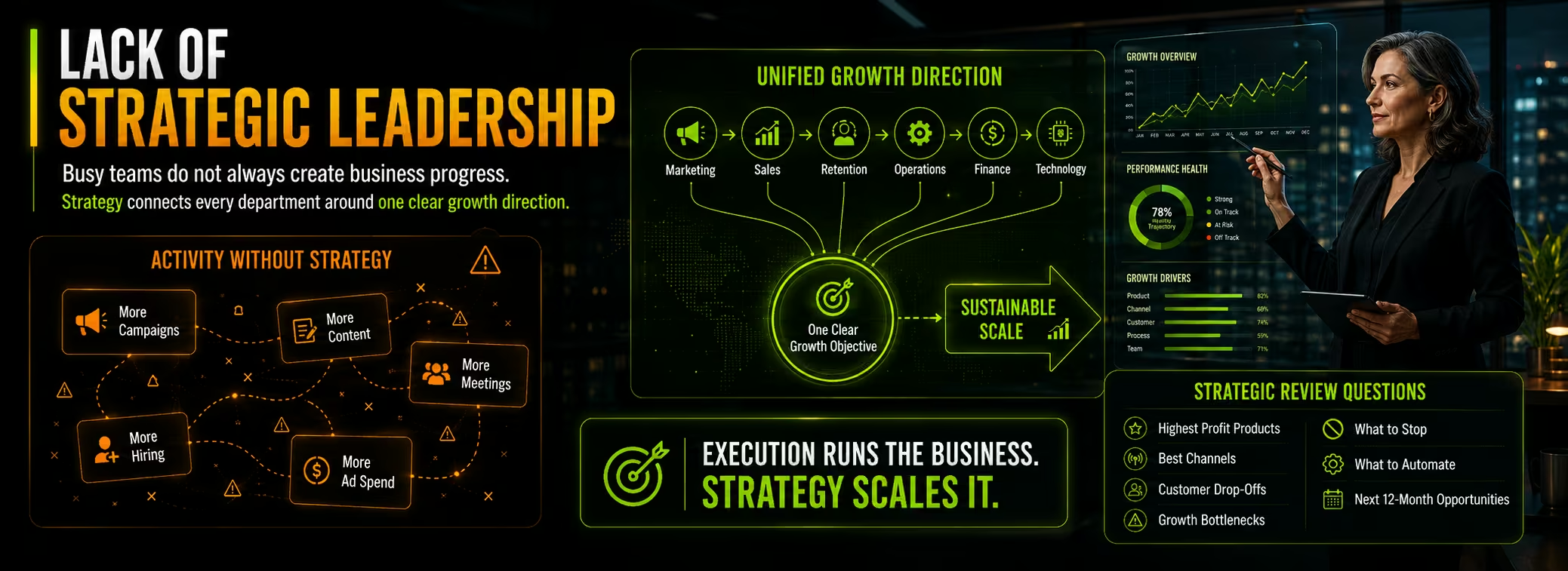
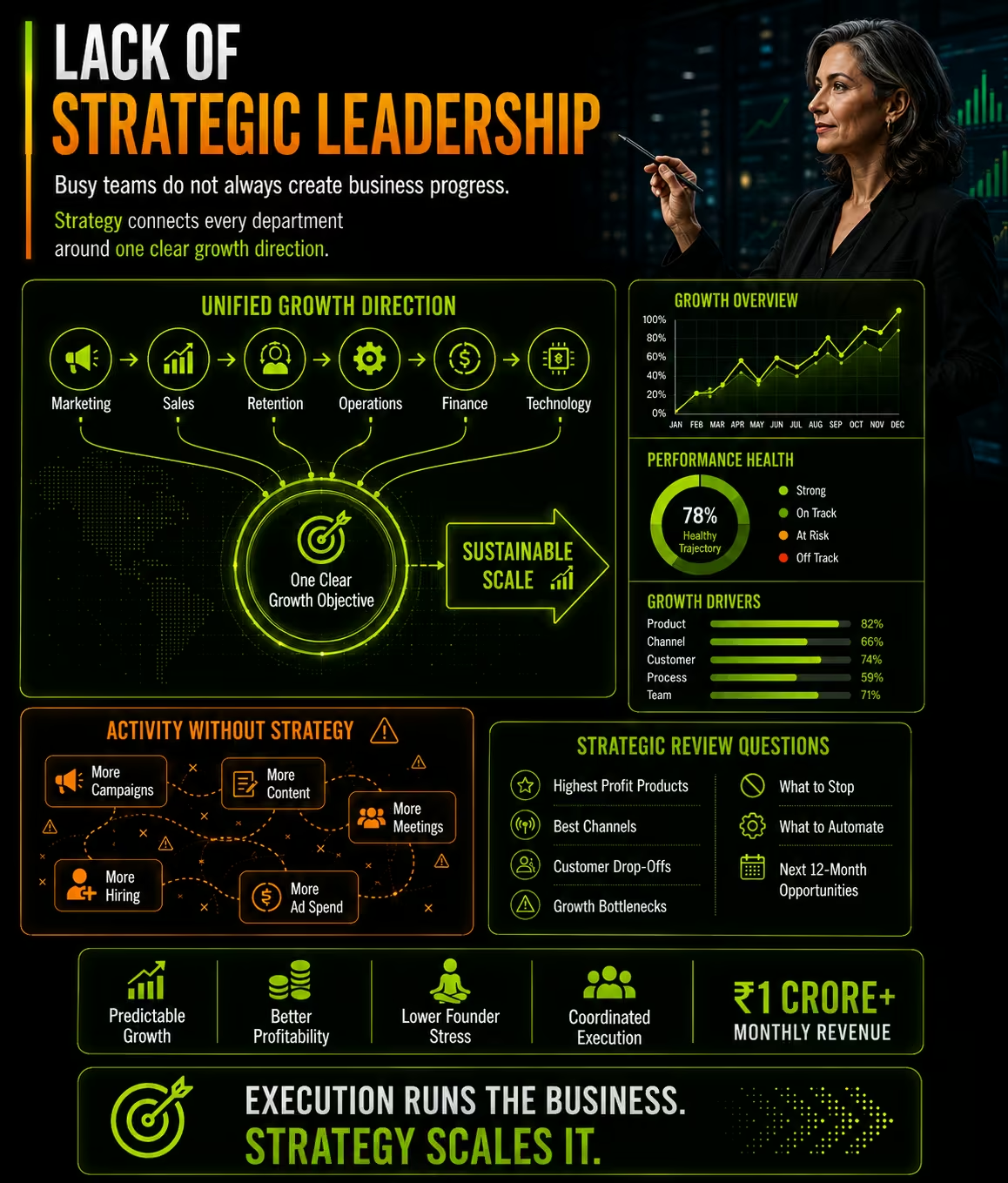
Daily firefighting replaces long-term strategic direction.
Most businesses do not suffer from only one challenge. Several smaller bottlenecks combine to create one large growth ceiling. Sustainable scaling begins by identifying and fixing the complete system—not just one isolated problem.
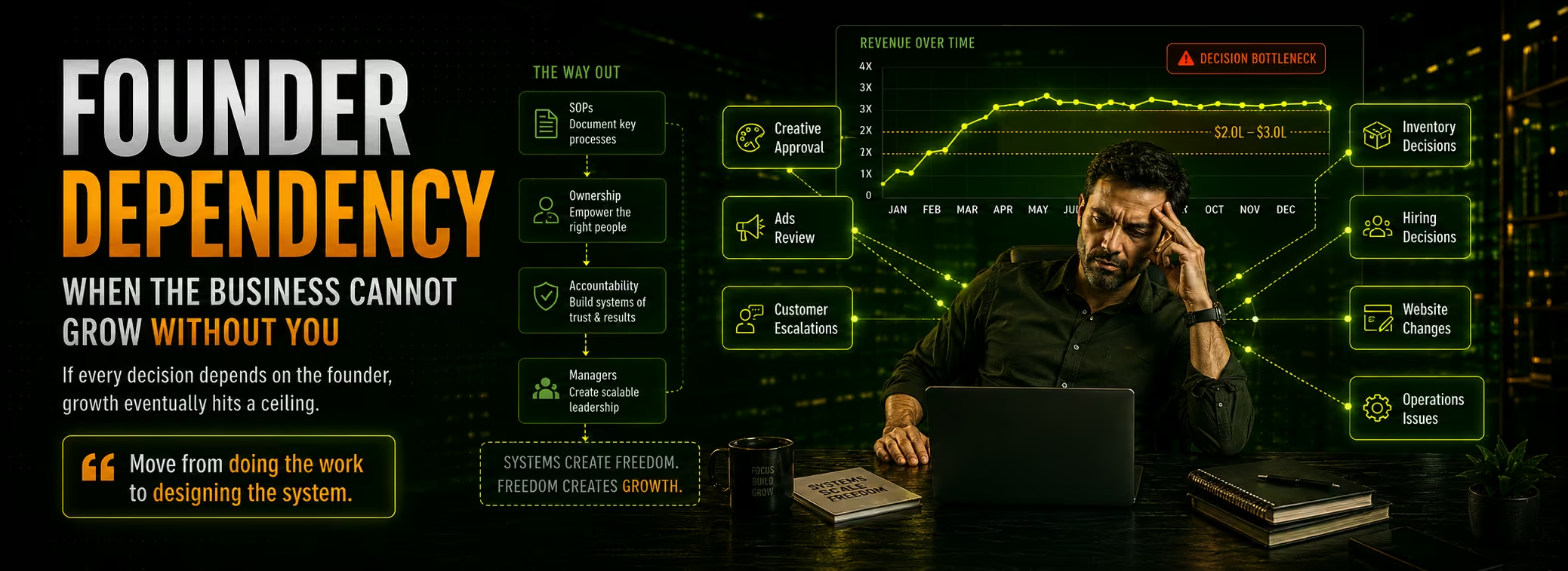
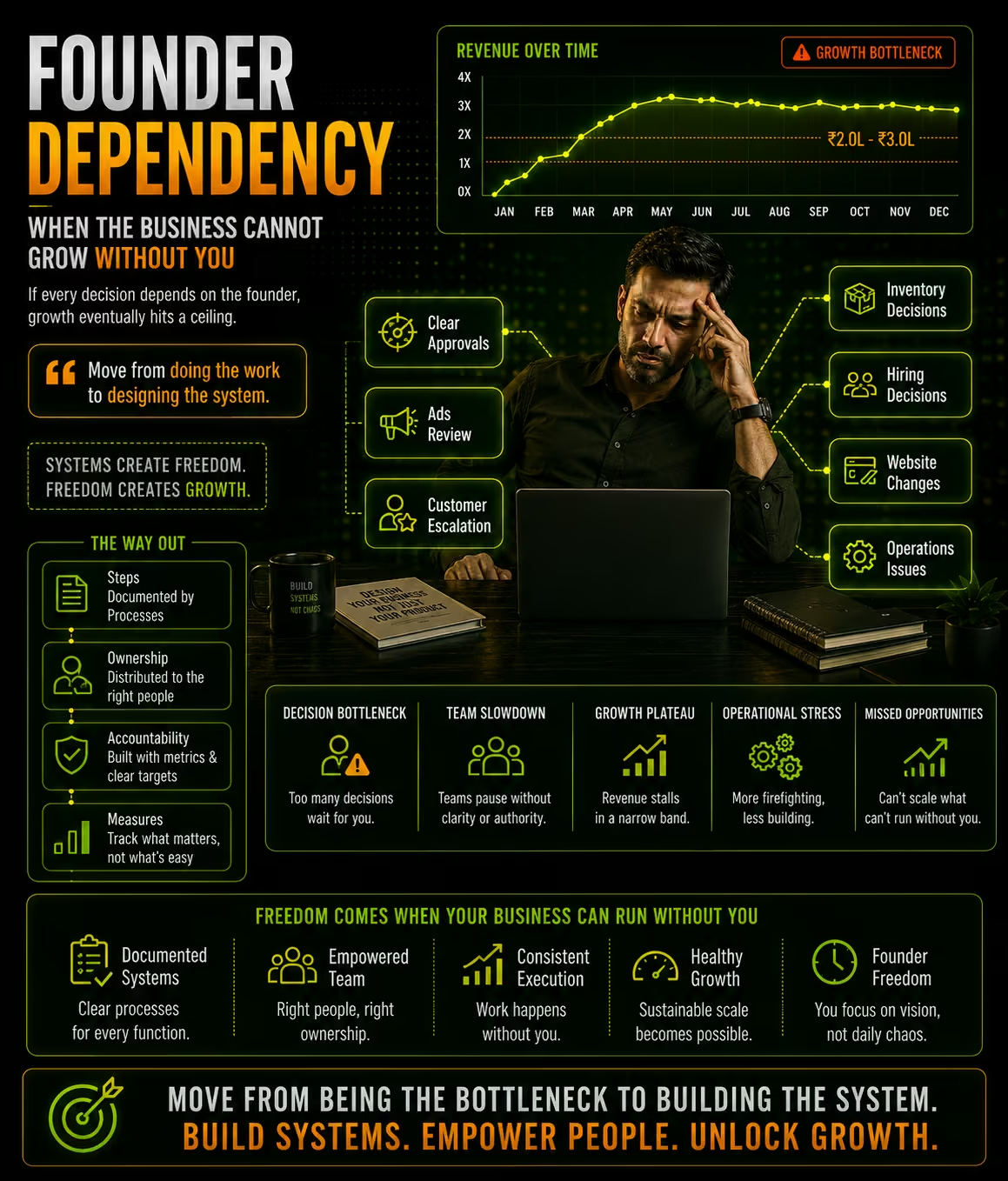
One of the most common reasons businesses stop scaling is founder dependency. In the early stages this is completely normal. The founder is involved in almost every important decision.
This involvement helps businesses grow quickly in the beginning because decisions happen fast. However, as revenue increases, the founder's time becomes limited. Every customer... Every campaign... Every employee... Every department... starts depending on one person.
If your business doubles next year, your available time will not. Growth that depends entirely on the founder will eventually reach a ceiling. For many businesses, that ceiling appears around ₹30–50 lakhs per month.
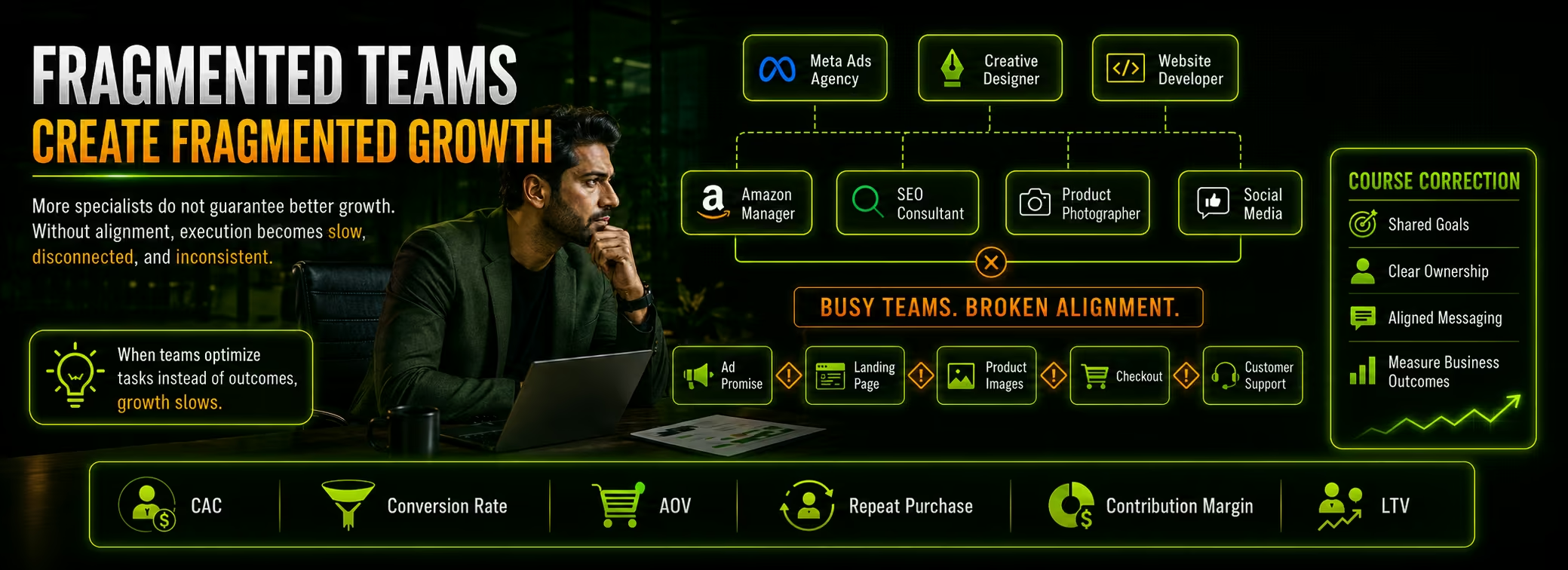
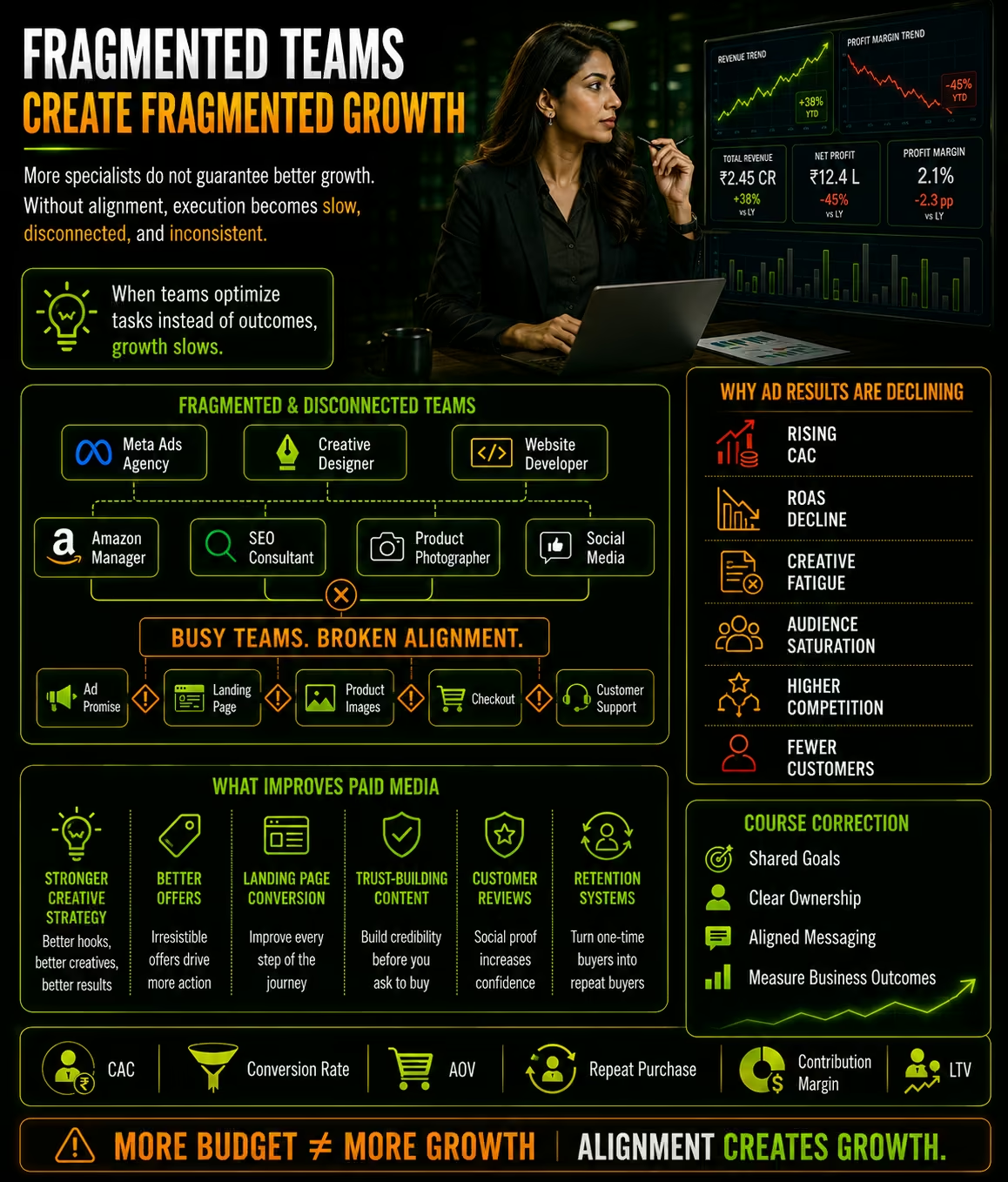
As businesses grow, they naturally hire specialists. One agency handles Meta Ads. Another manages SEO. A freelancer creates graphics. Someone else manages Amazon. A developer looks after the website. On paper, this looks like a strong team.
Each specialist focuses on their own task. Very few focus on the overall business outcome. Imagine launching a new product.
Waiting for creatives.
Waiting for photography.
Waiting for packaging.
Waiting for content.
Waiting for pricing approval.
Everyone is working. Yet nothing moves fast. The result becomes...
Growing businesses need alignment, not just more vendors. Every department should work toward the same business objectives.
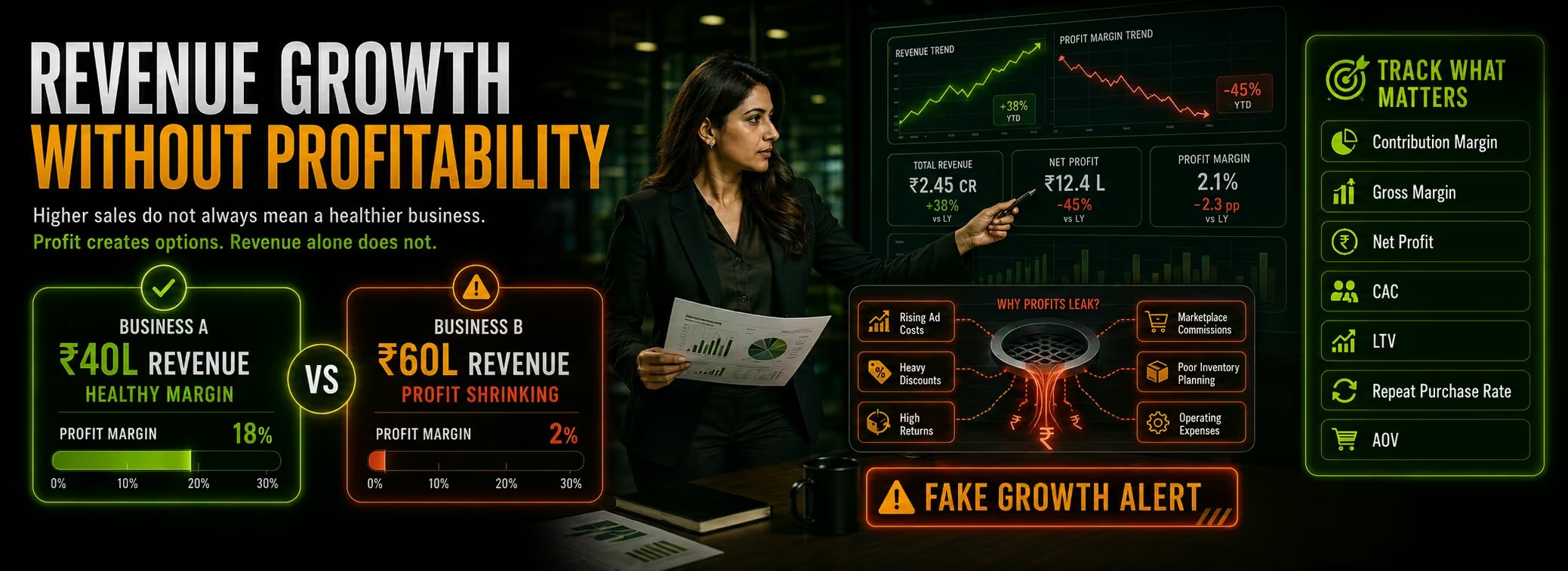

Revenue is exciting. It gets attention, creates headlines, and often becomes the primary metric founders celebrate. But revenue alone does not build a healthy business.
Many companies proudly announce record sales while quietly struggling with cash flow. Revenue without profitability creates the illusion of growth.
Customer acquisition becomes increasingly expensive.
Sales increase while margins continue falling.
New customers replace returning customers.
Inventory issues reduce profitability.
Platform fees reduce contribution margins.
Expenses grow faster than revenue.
Business A
generates ₹40 Lakhs with healthy margins.
Business B
generates ₹60 Lakhs but spends almost everything on advertising, discounts and operational inefficiencies.
Which business is actually stronger?
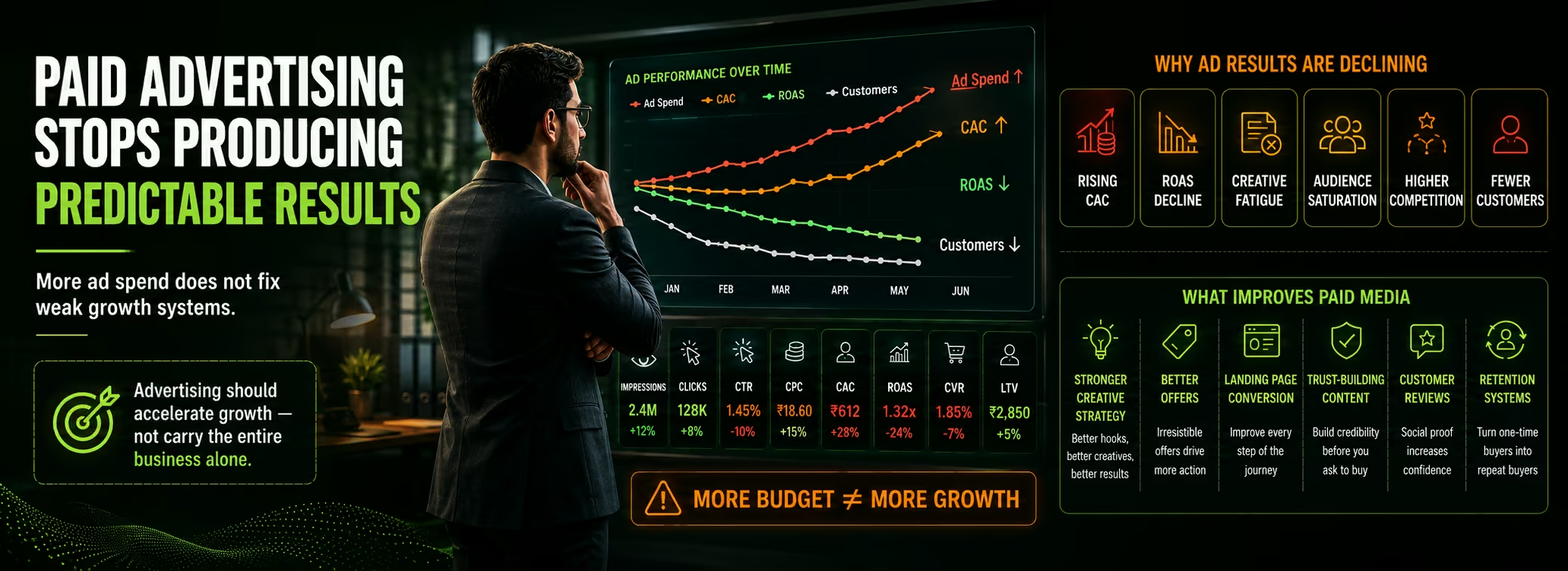
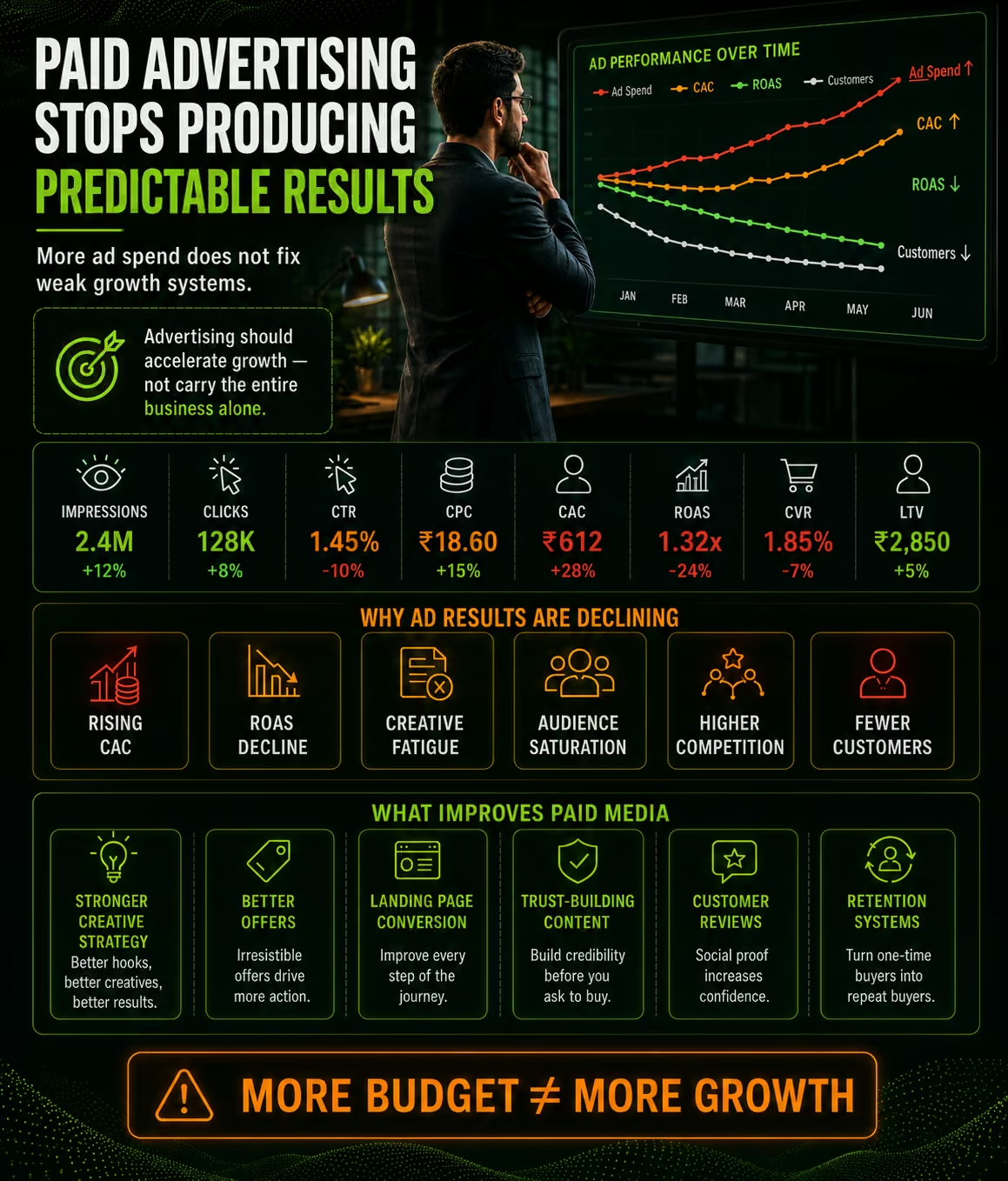
One of the biggest surprises for growing brands is that advertising eventually becomes harder. Early campaigns often generate fast sales. As competition increases, performance begins to decline.
Ads perform exceptionally well.
Customer acquisition costs begin rising.
Creative fatigue and audience saturation appear.
Higher budgets no longer guarantee better results.
Acquiring each customer becomes more expensive.
The same audience sees your ads repeatedly.
Existing creatives lose effectiveness.
More brands compete for the same attention.
Many businesses respond by simply increasing ad spend. Unfortunately... More budget cannot fix poor positioning, weak branding, low customer trust, or poor conversion rates.
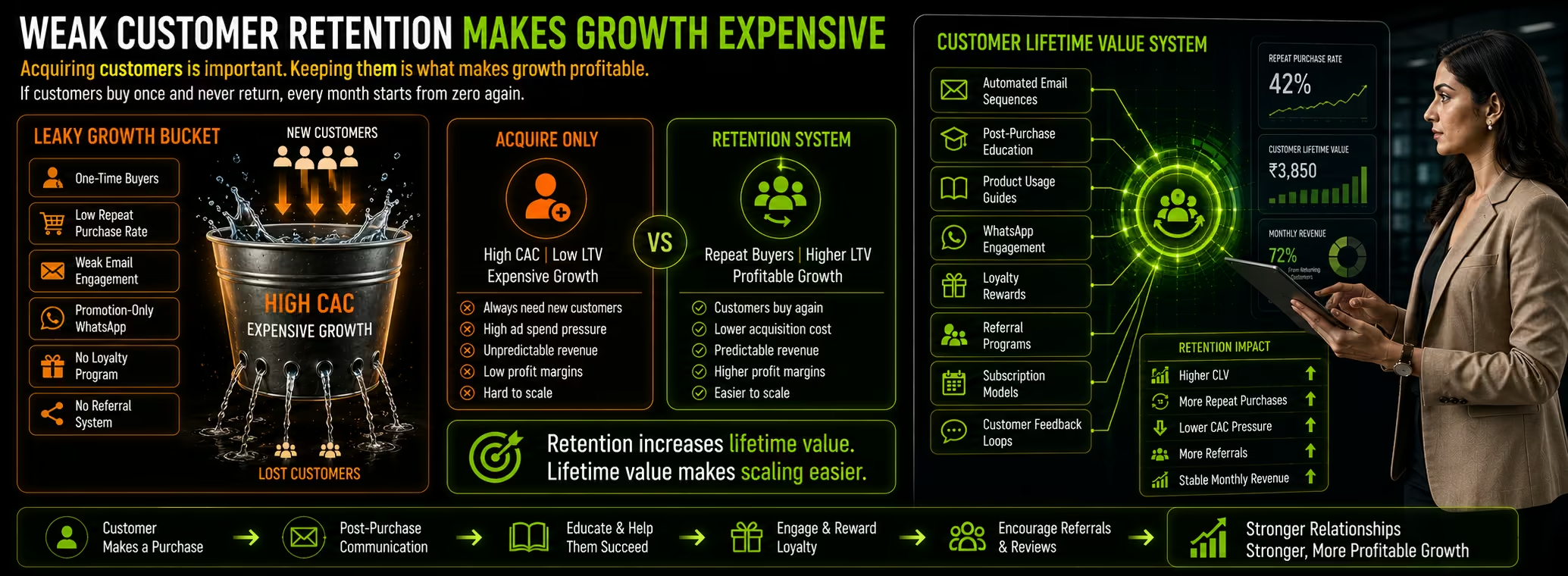
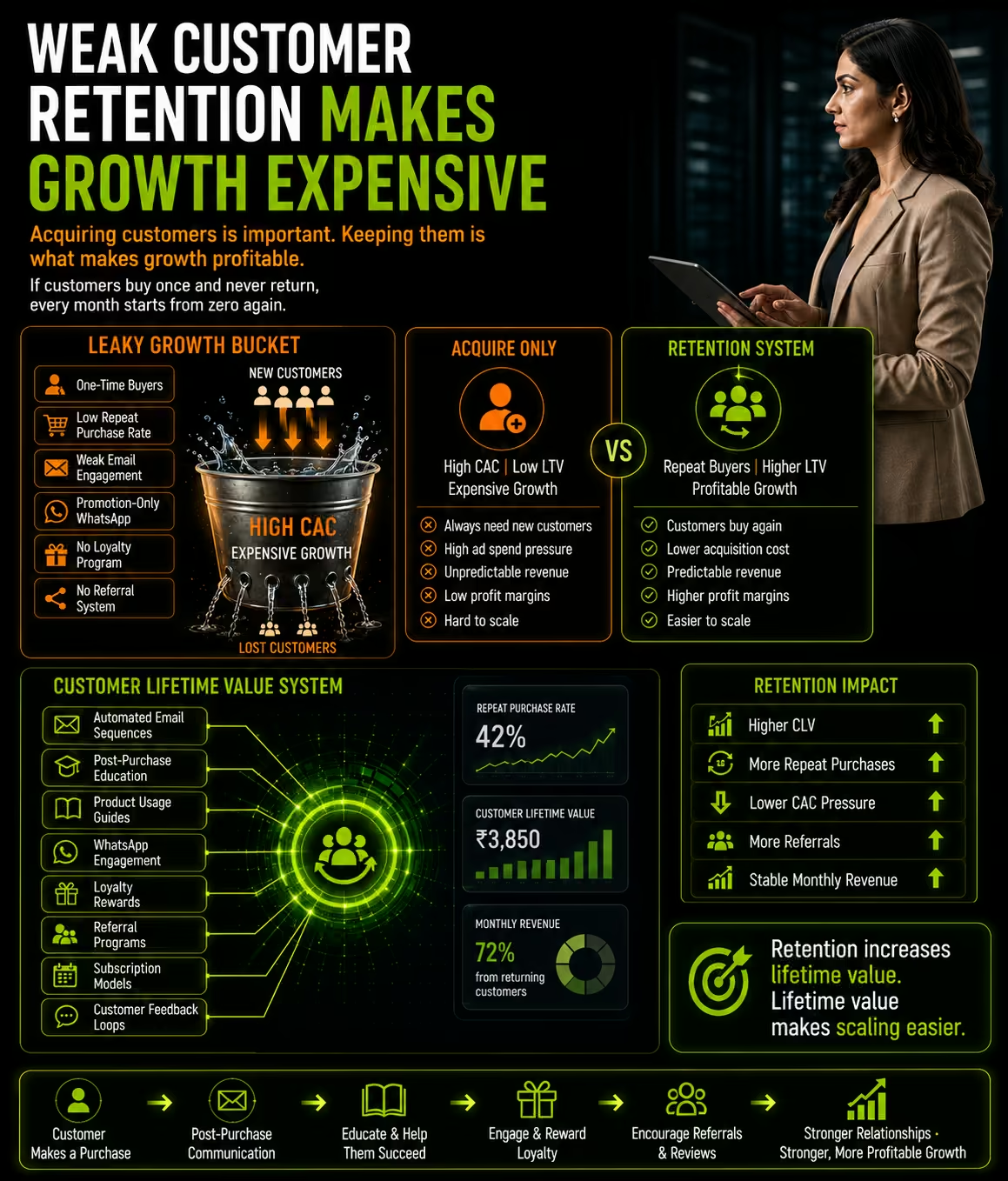
One of the biggest mistakes growing brands make is focusing almost entirely on acquiring new customers. Most marketing discussions revolve around increasing traffic, generating leads, and scaling advertising budgets—while ignoring a much bigger opportunity.
The real profit comes from turning first-time buyers into repeat customers.
Increase traffic through SEO and advertising.
Spend more to acquire more customers.
Launch campaigns on additional platforms.
Focus almost entirely on new customer acquisition.
Many businesses spend thousands of rupees acquiring a customer, only to lose that customer after one purchase.
Imagine filling a bucket that has a hole at the bottom.
No matter how much water you add, it never stays full.
Customer acquisition becomes more expensive every year.
Customers have more alternatives than ever before.
Existing customers buy faster, spend more and trust your brand.
Profitable growth comes from keeping customers, not replacing them.
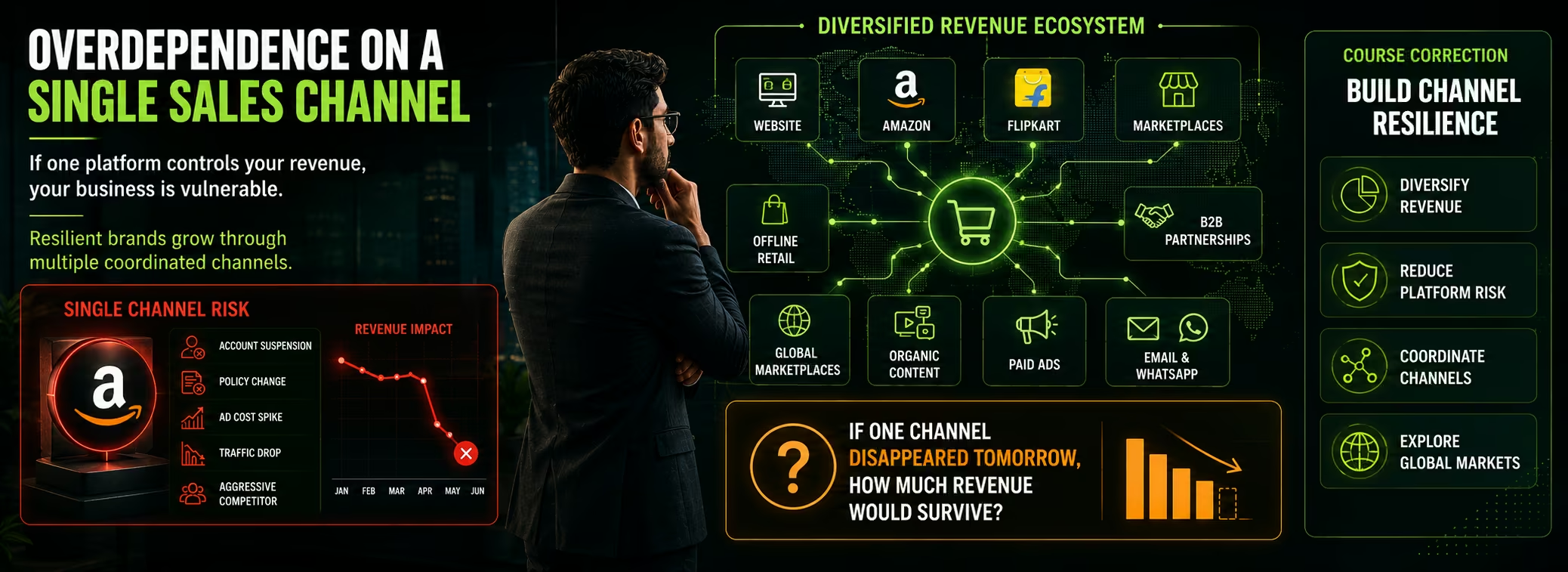
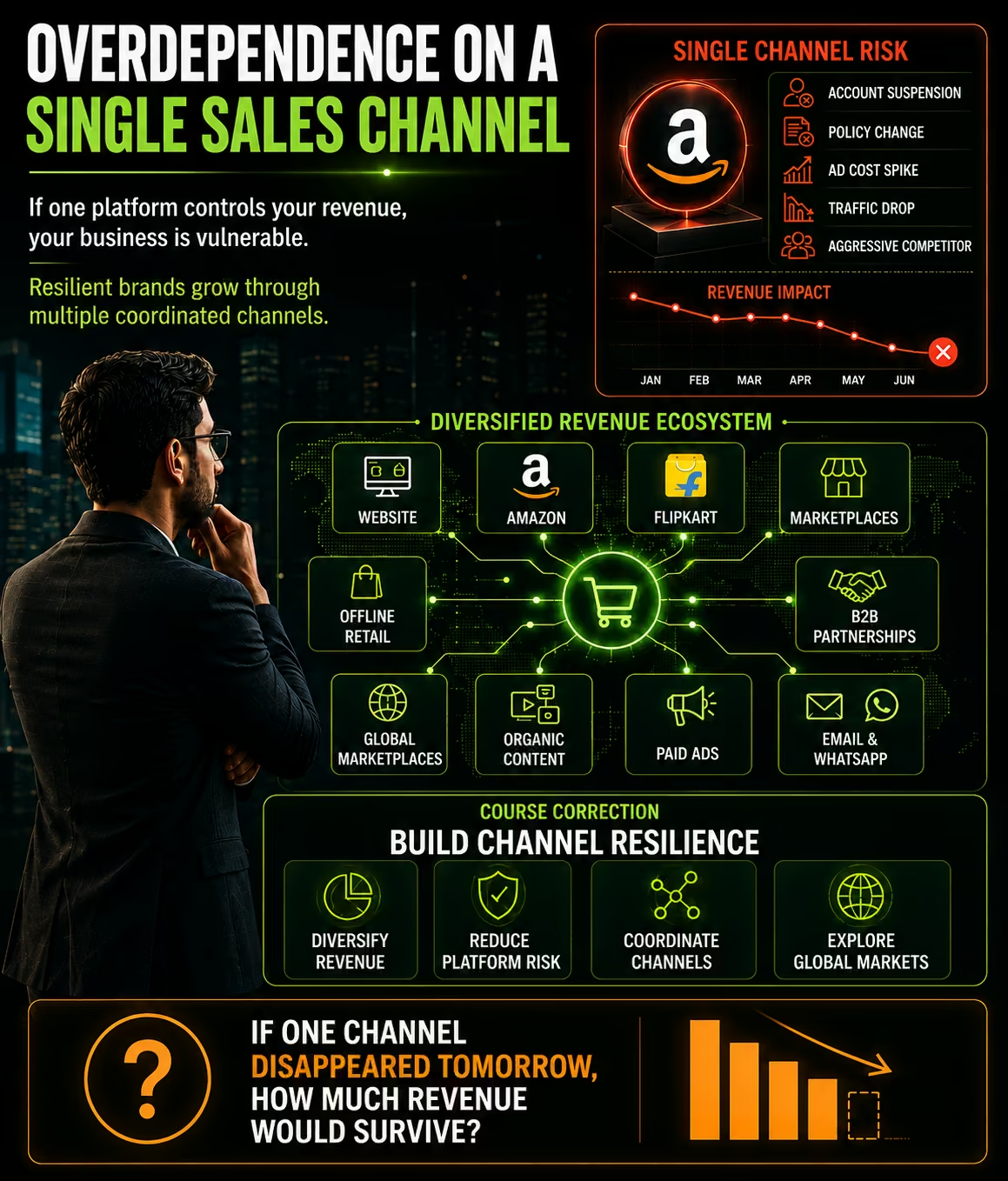
Many businesses unknowingly build their entire company around one platform. Whether it's Amazon, Shopify, Meta Ads or a single marketplace, depending too much on one channel creates long-term business risk.
Build a business that performs even if one channel disappears tomorrow.
Your revenue suddenly drops.
Marketplace rules change overnight.
Customer acquisition becomes expensive.
Market share becomes harder to maintain.
Diversification doesn't mean being everywhere. It means reducing dependence on any single revenue source. Another common growth limitation is geographical dependence. Many Indian brands continue competing in increasingly crowded domestic markets while ignoring opportunities in international ecommerce. Depending on the product category, expanding through global marketplaces can open entirely new customer segments. International expansion should never be rushed. However, once operations, product quality, and customer experience become consistent, exploring global opportunities can become an important long-term growth strategy.

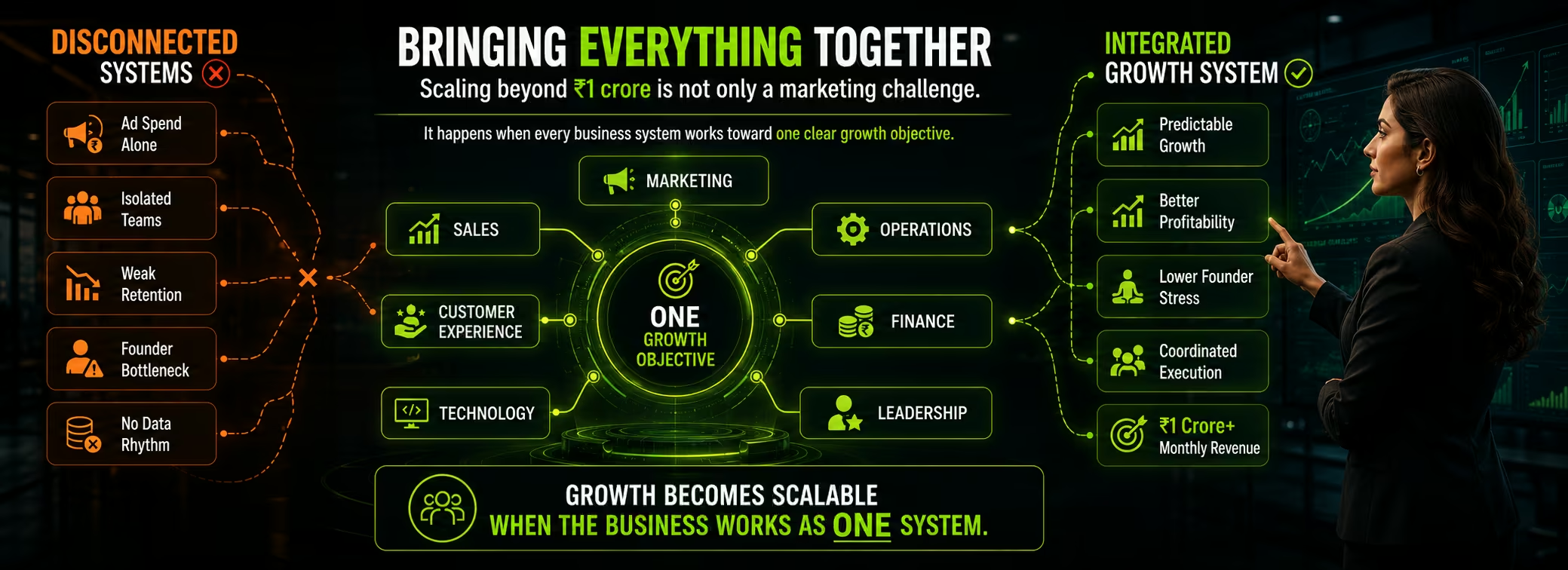
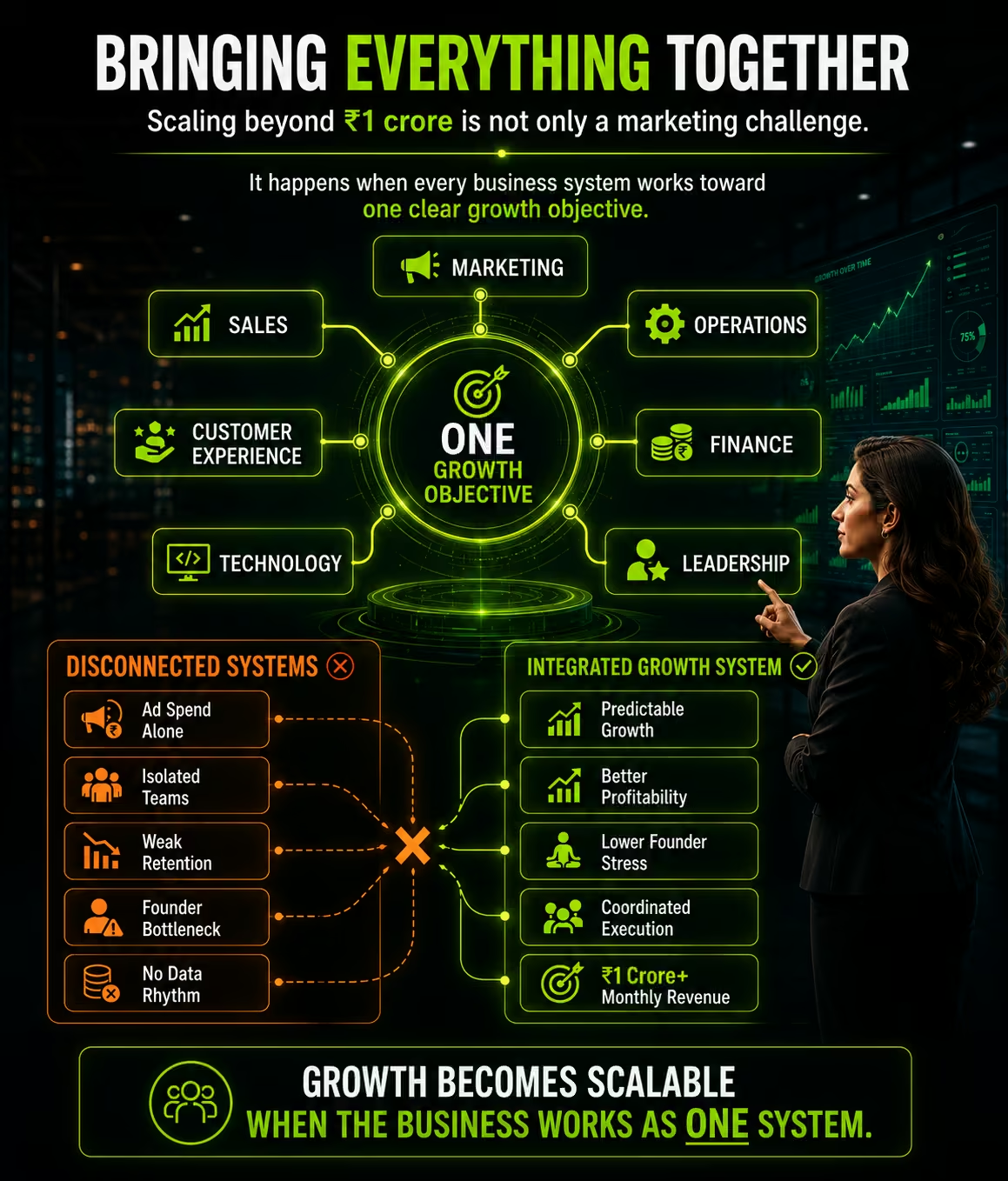
If you look closely, all ten challenges have one thing in common. They are not marketing problems alone—they are business system problems. That is why simply spending more on advertising rarely solves them. Businesses scale when every function supports the same growth objective.
When these systems begin working together instead of independently, growth becomes more predictable, more profitable, and much less stressful for the founder.
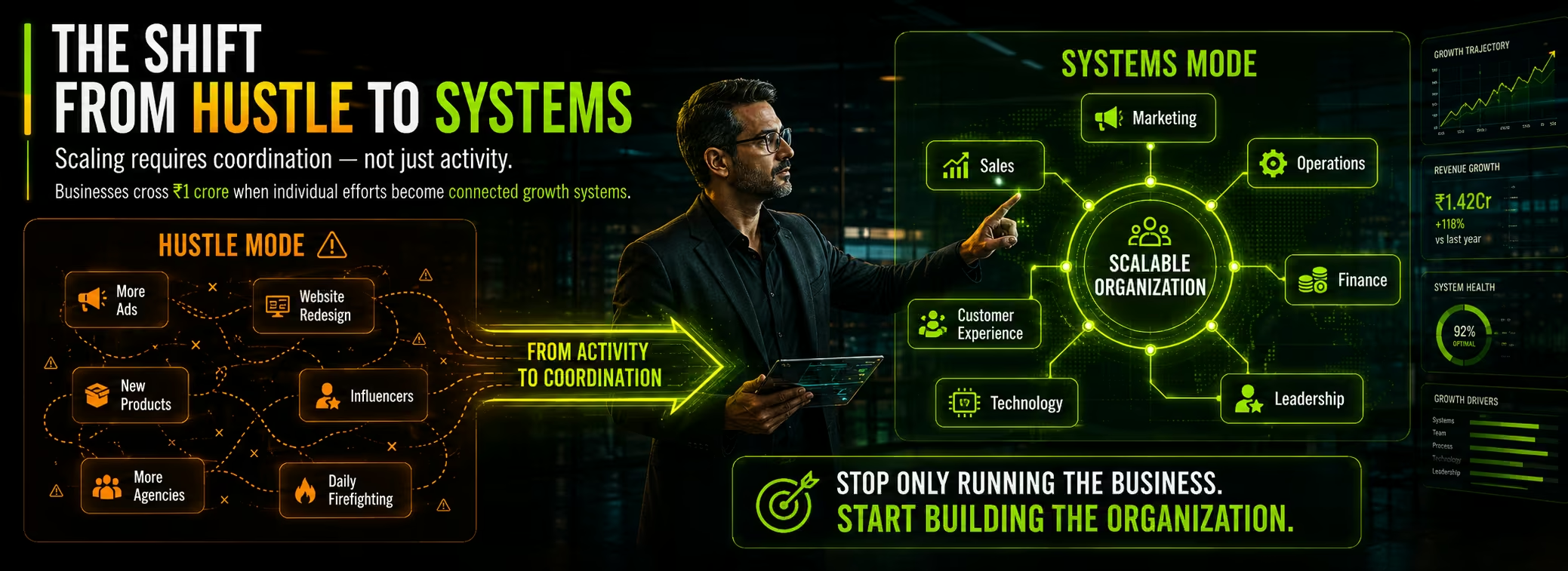
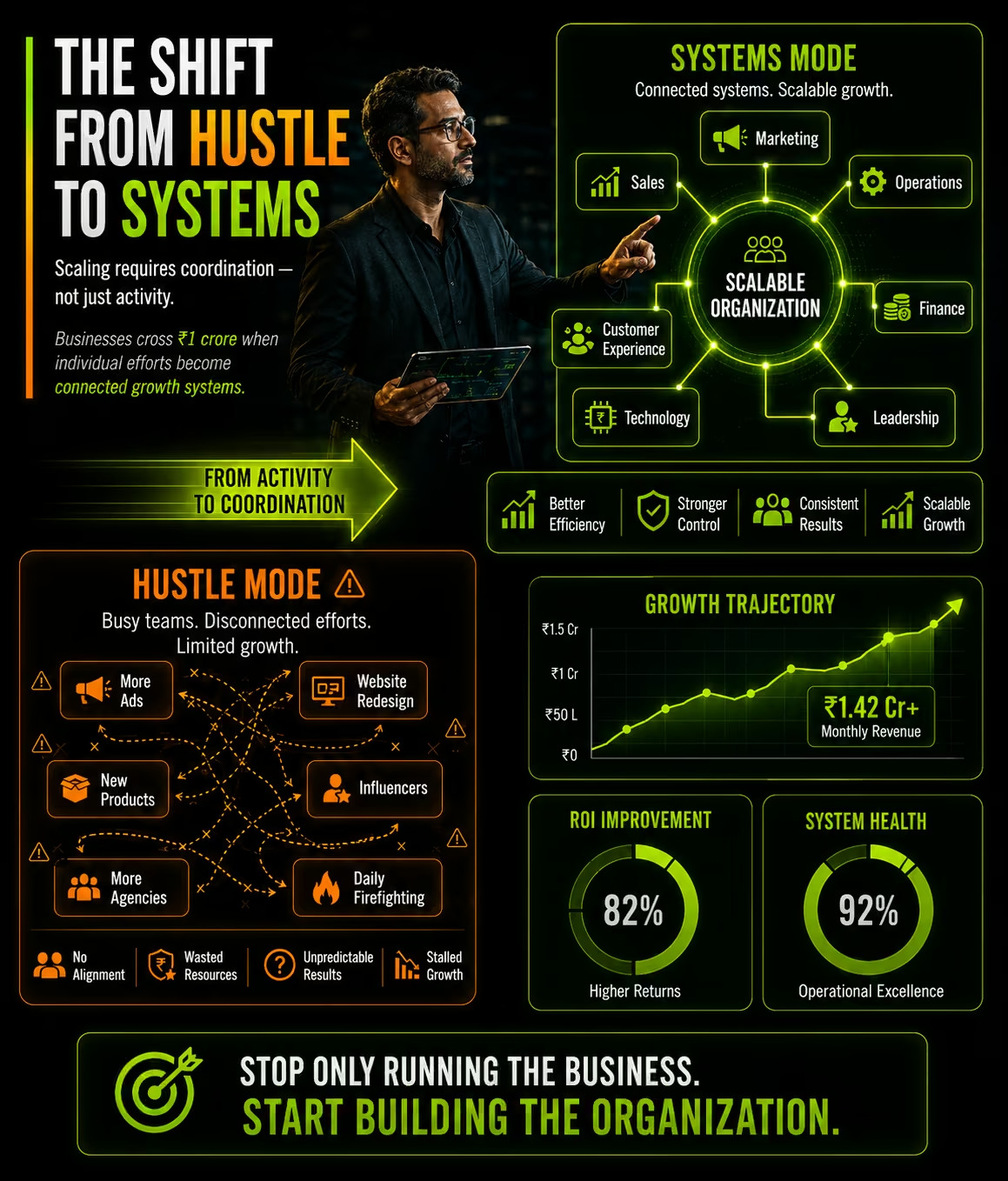
The businesses that successfully cross ₹1 crore per month usually make one important transition. They stop trying to grow through individual efforts. Instead, they build systems that allow the entire business to grow together.
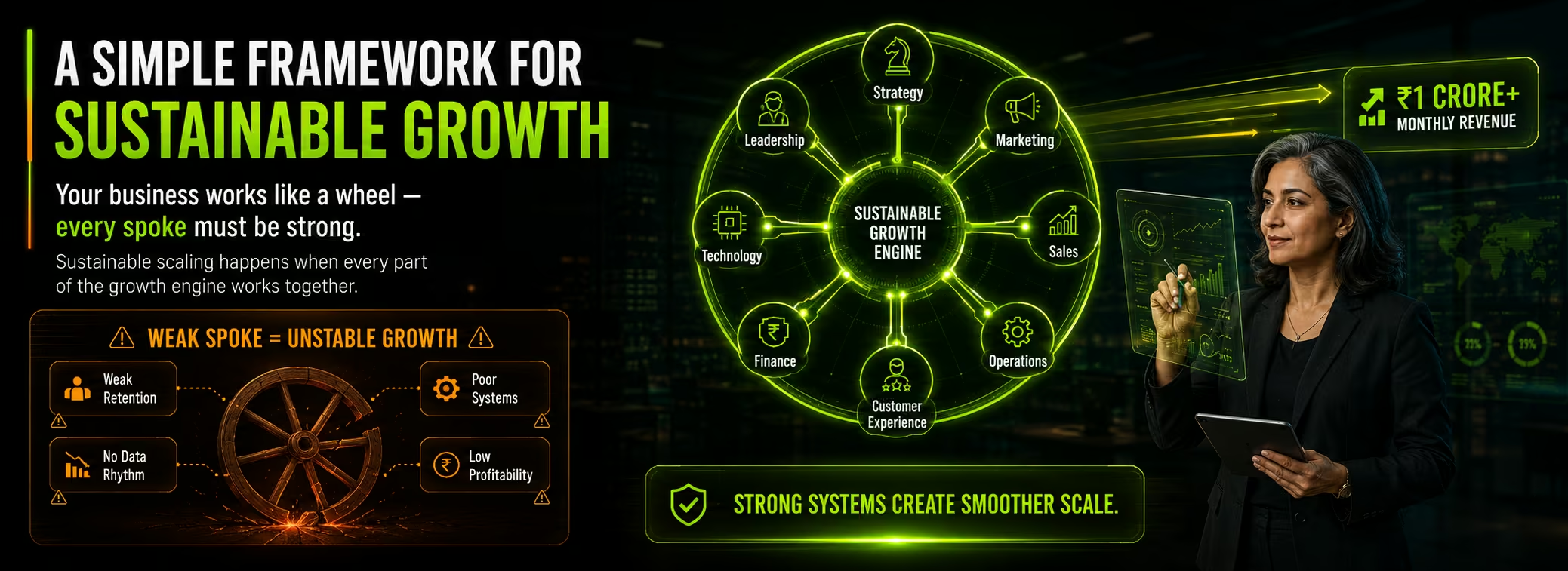
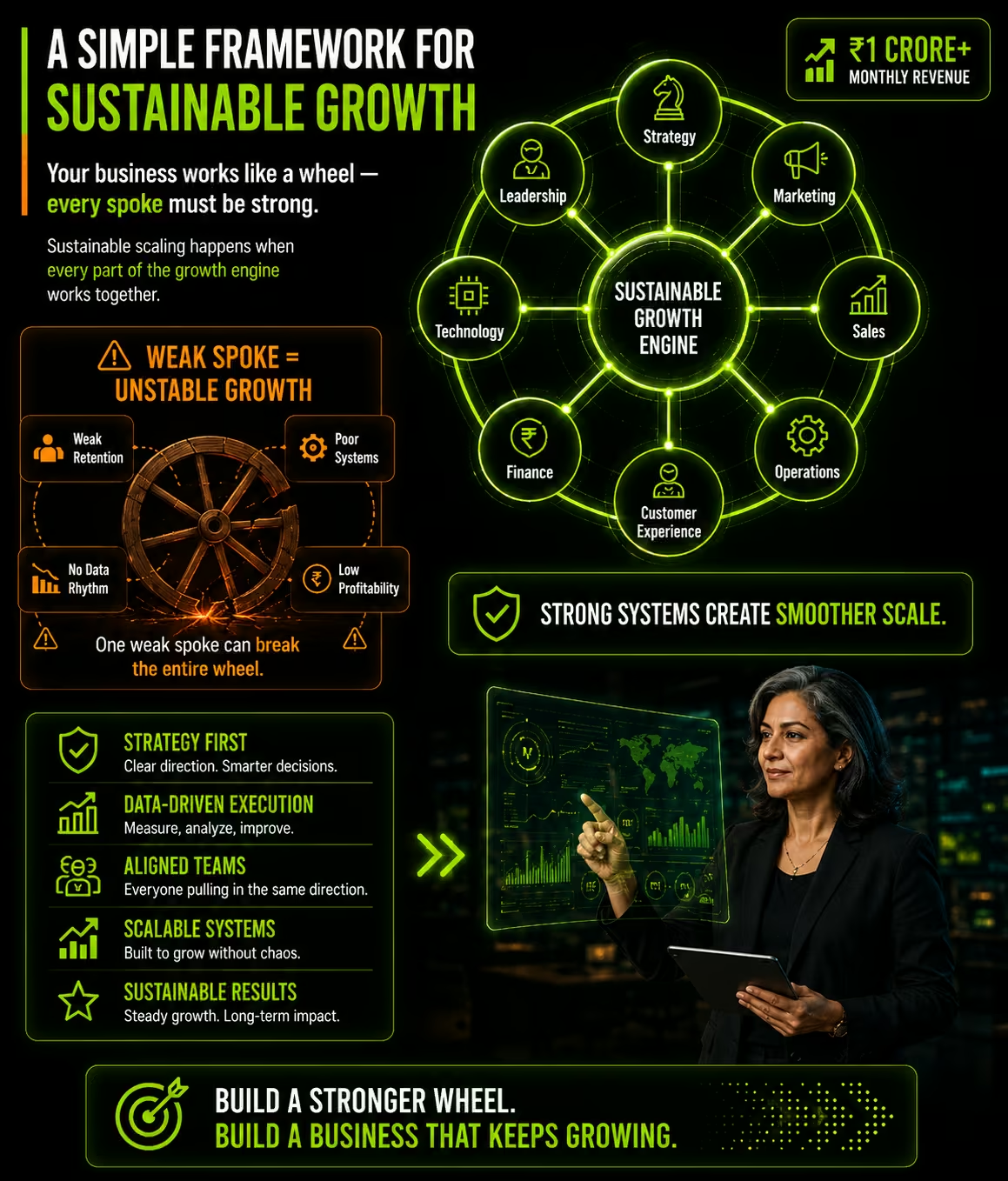
One way to think about scaling is to imagine your business as a wheel. For the wheel to move smoothly, every spoke must be strong. If even one spoke breaks, the entire wheel becomes unstable. The same principle applies to a growing business. Instead of thinking about marketing in isolation, successful companies strengthen every part of the growth engine. Below is a simple framework that many high-growth businesses naturally develop as they scale.
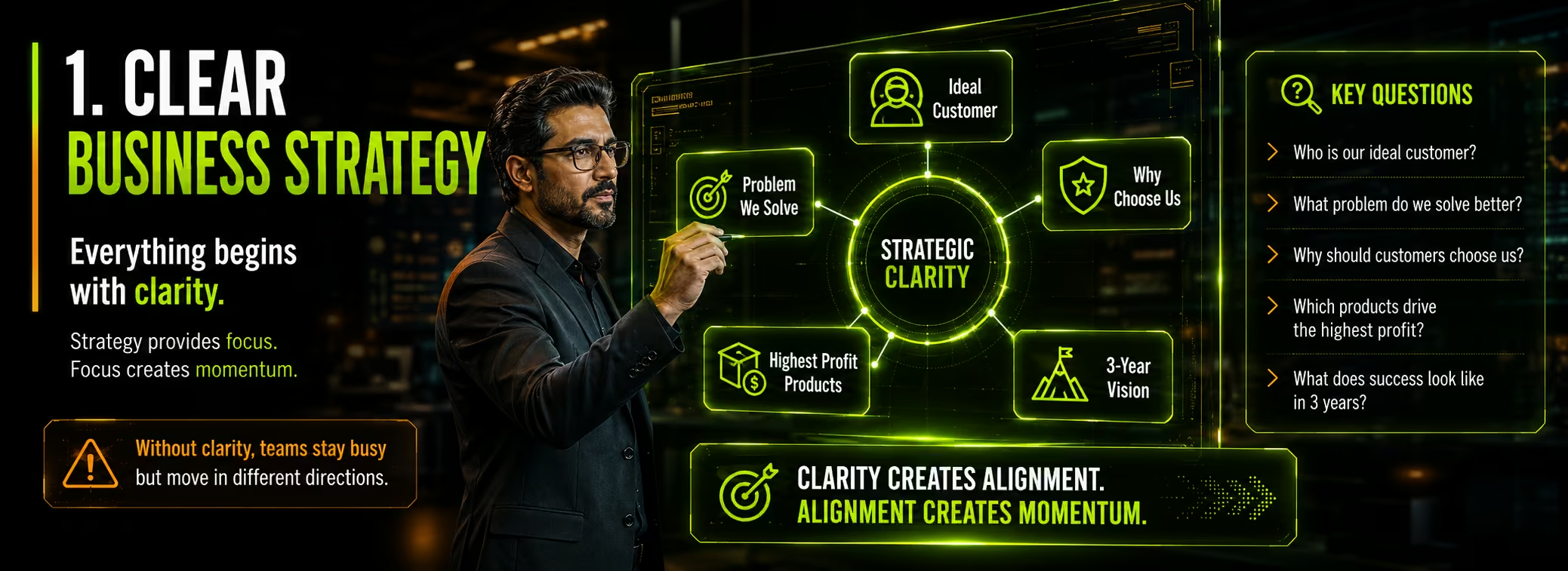
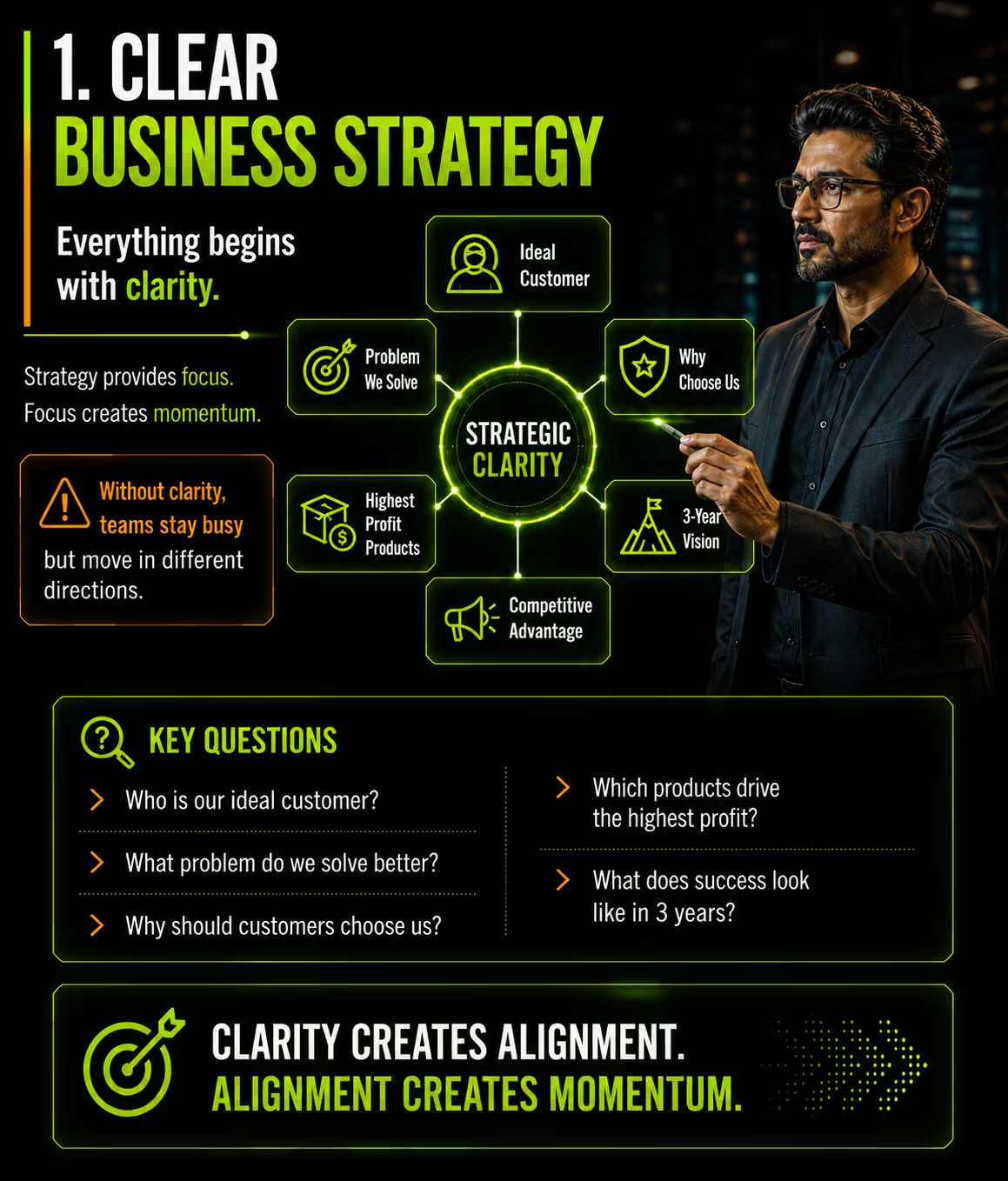
Everything begins with clarity. Every business should have clear answers to:
Without strategic clarity, teams stay busy but rarely move in the same direction. Strategy creates focus. Focus creates momentum.
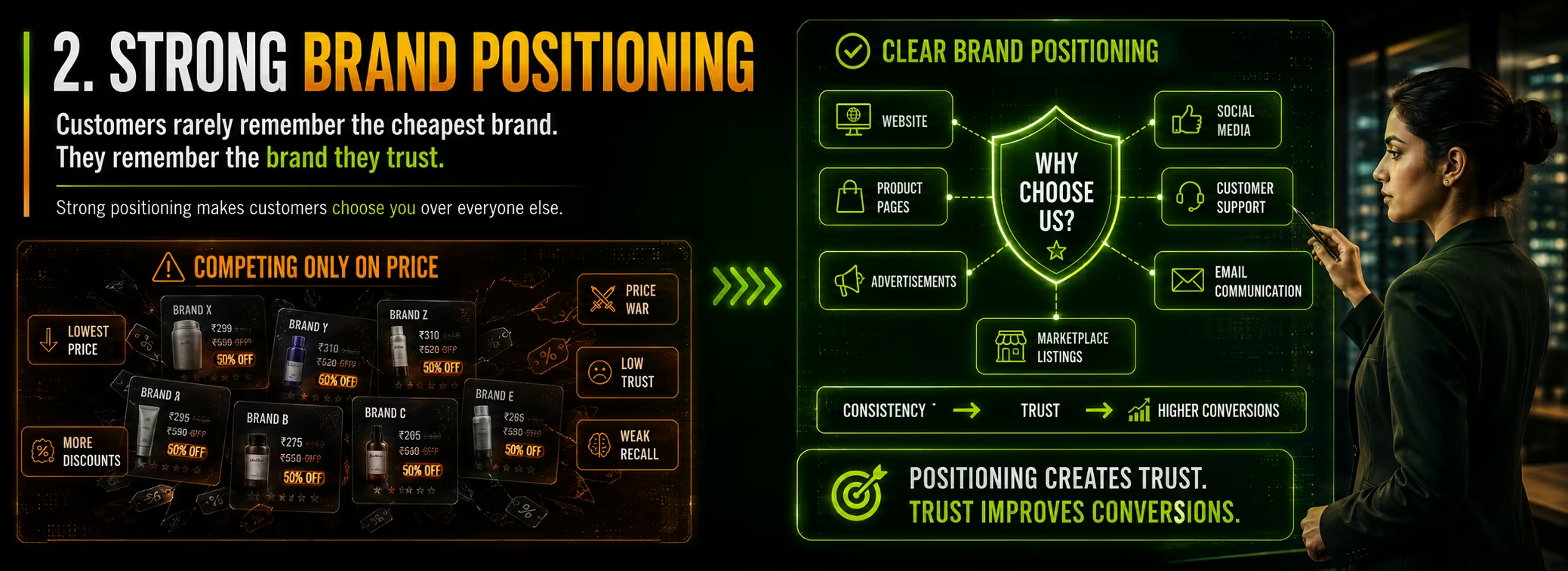
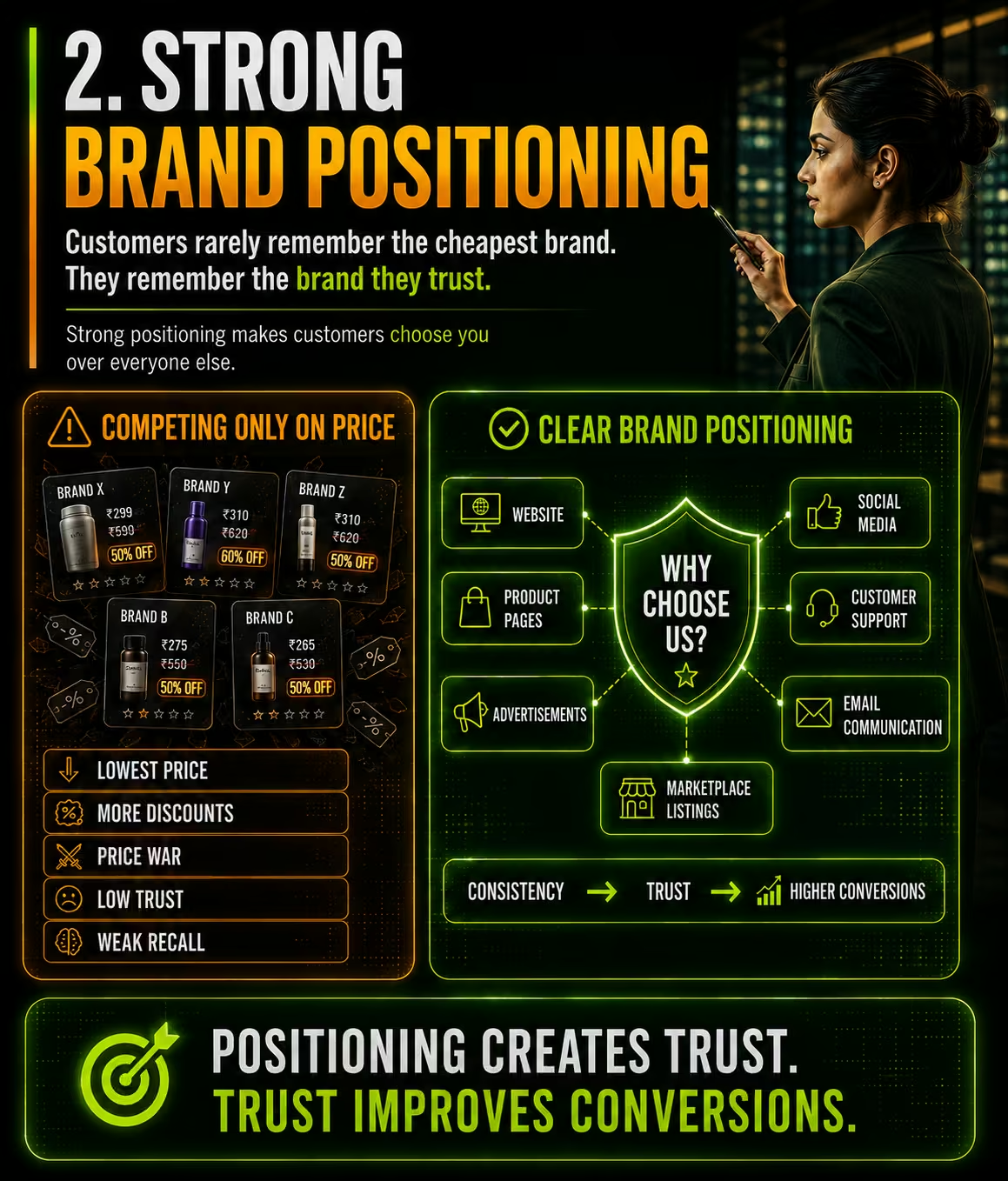
Customers rarely remember the cheapest brand. They remember the brand they trust.
Consistency builds trust. Trust improves conversions.
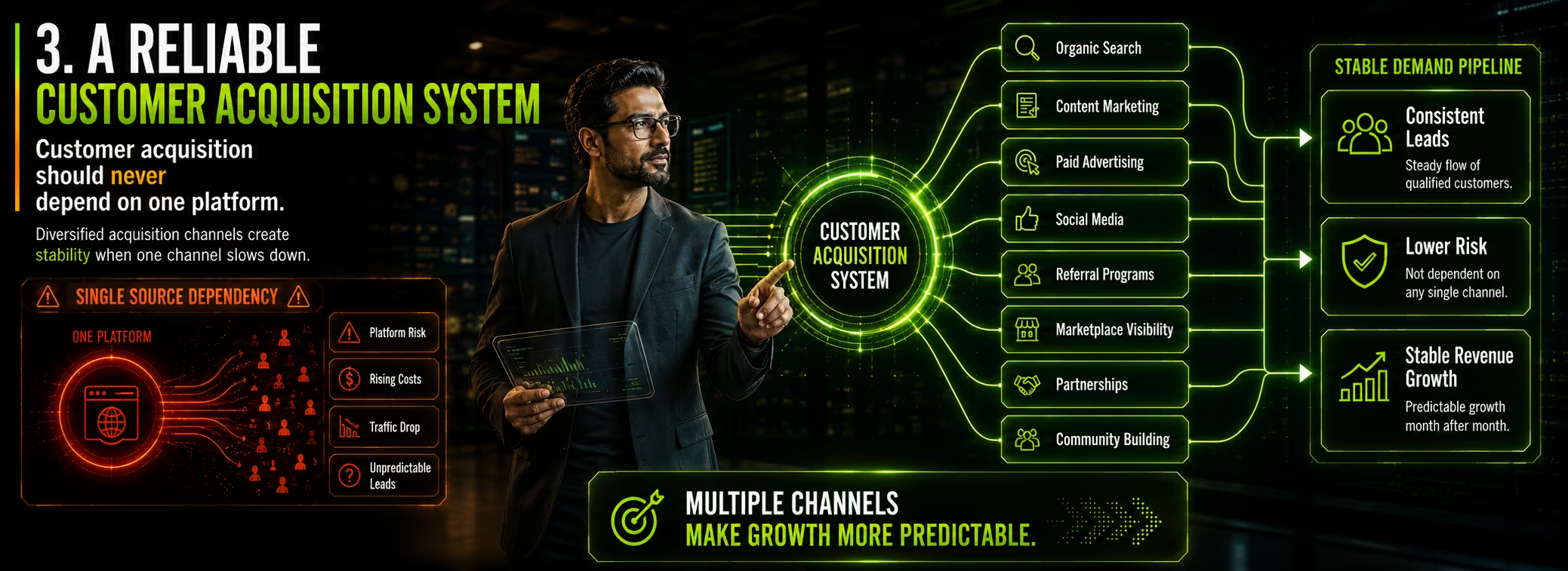
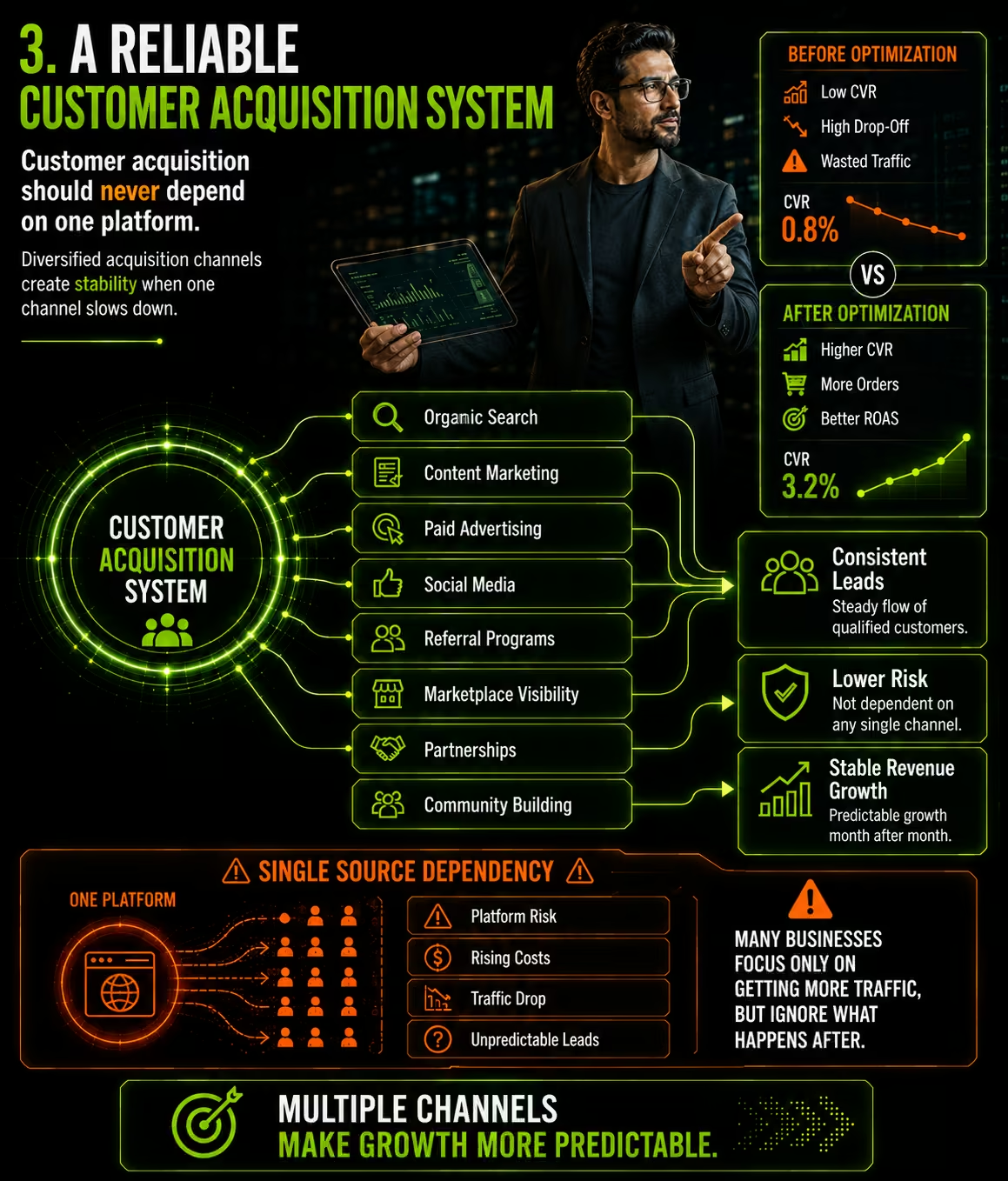
Healthy businesses don't depend on one traffic source. Instead, they build multiple acquisition channels.
Diversification creates stability. When one channel slows, others continue generating demand.
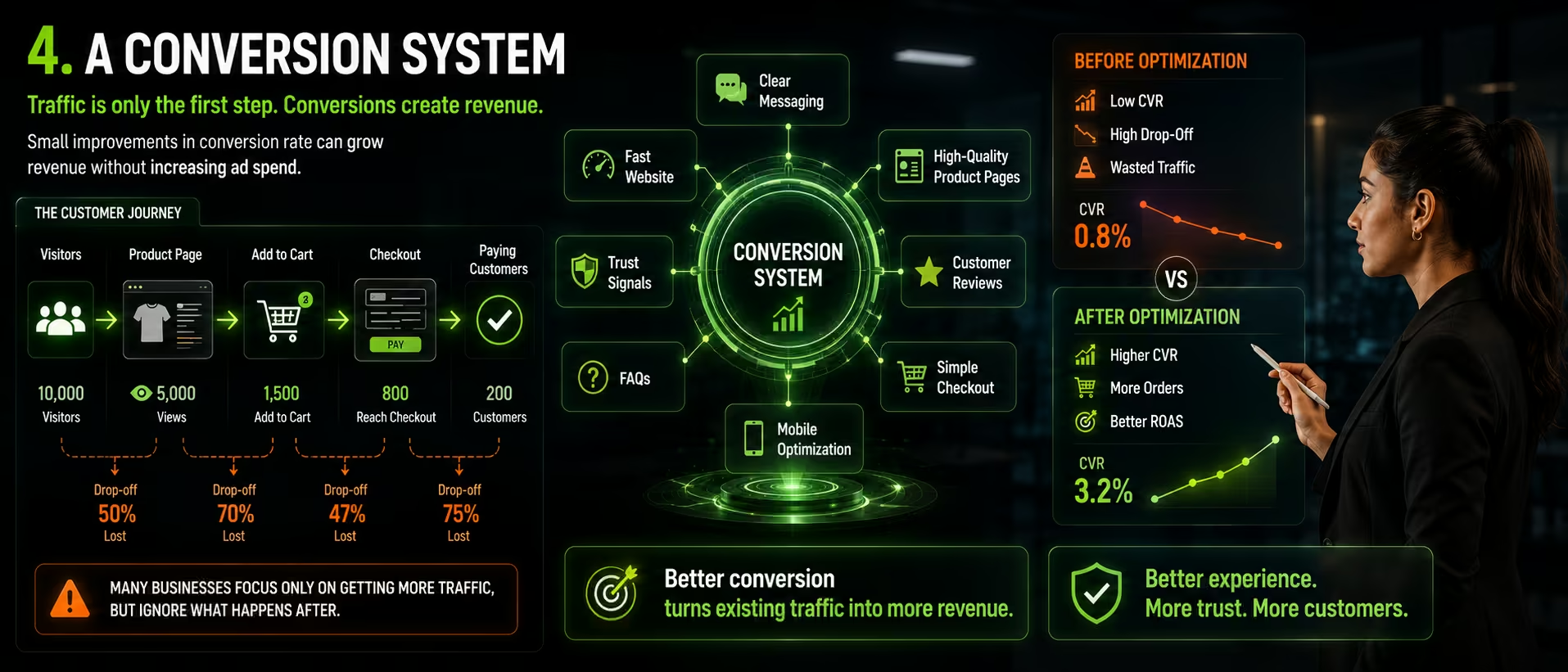
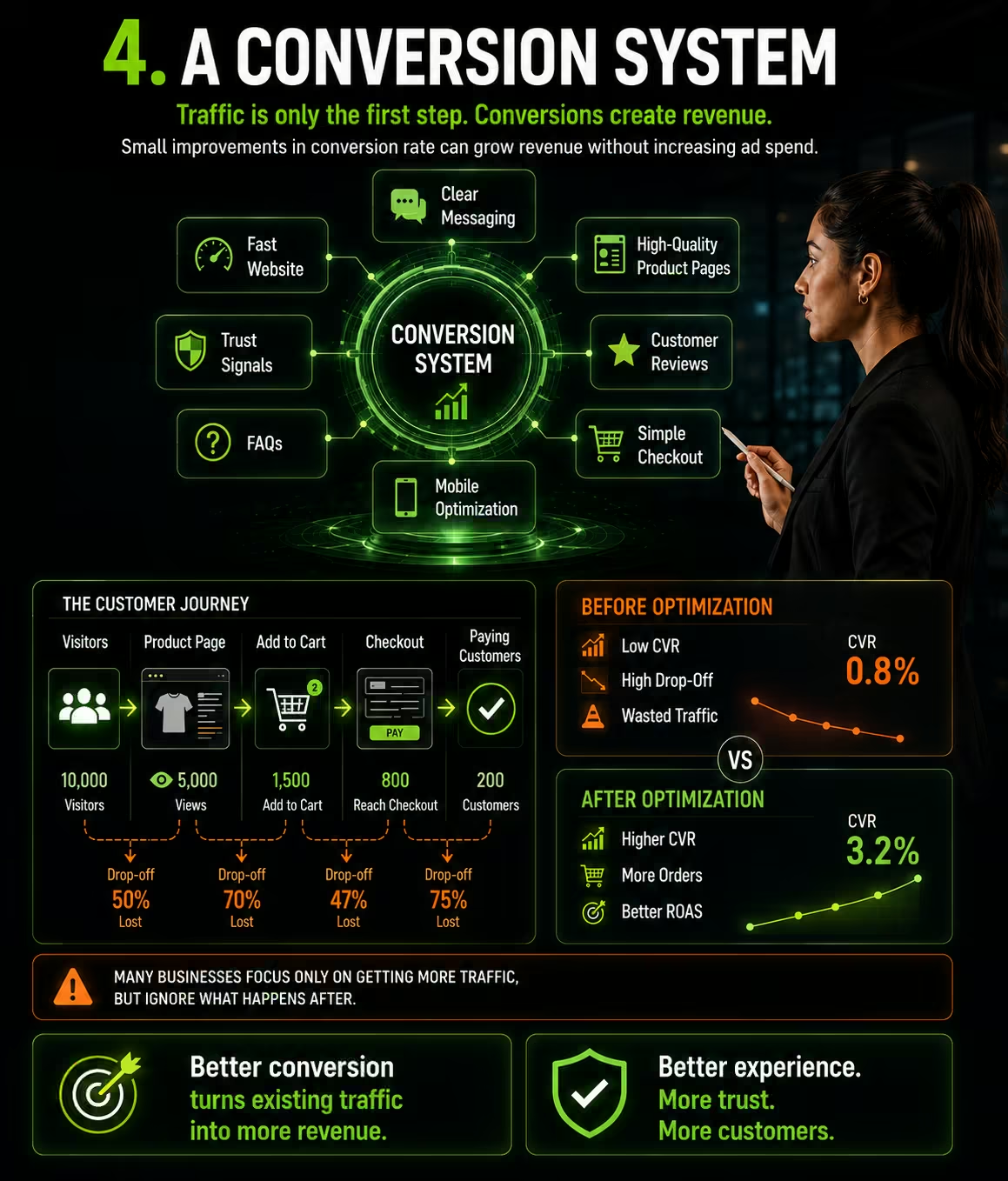
Traffic alone doesn't create revenue. The real question is:
Small improvements in conversion rates often generate more revenue than increasing advertising budgets.
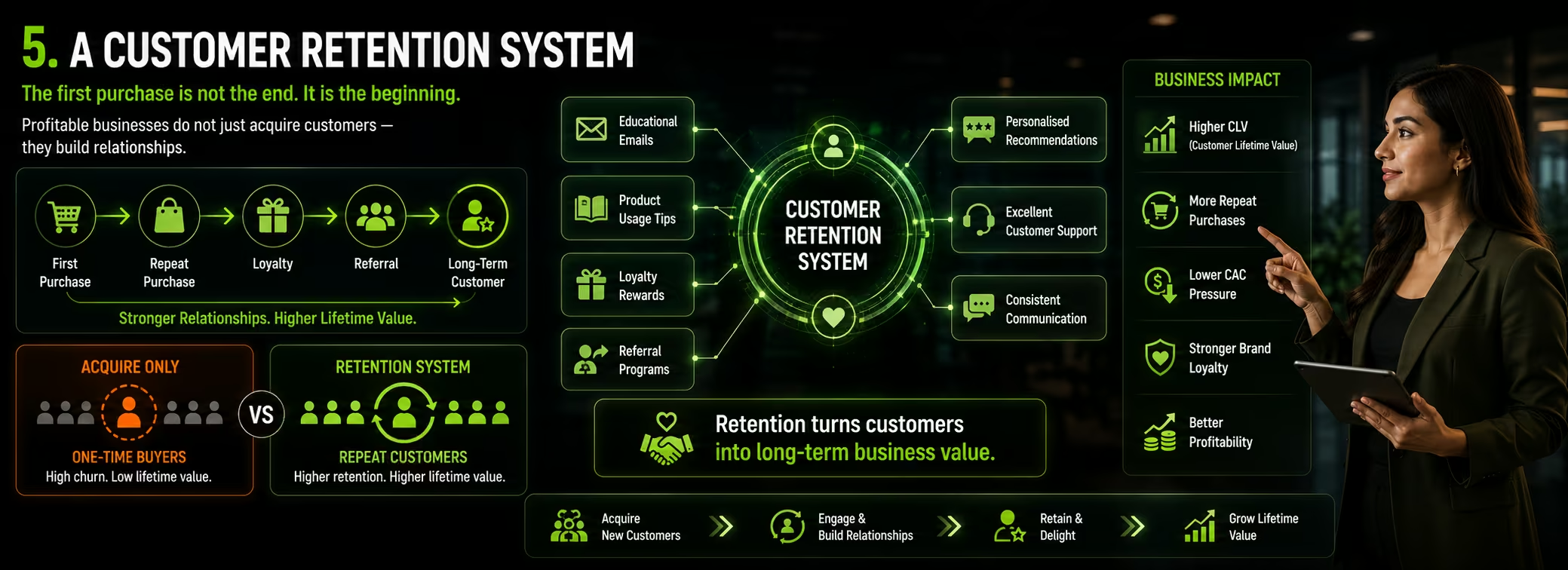
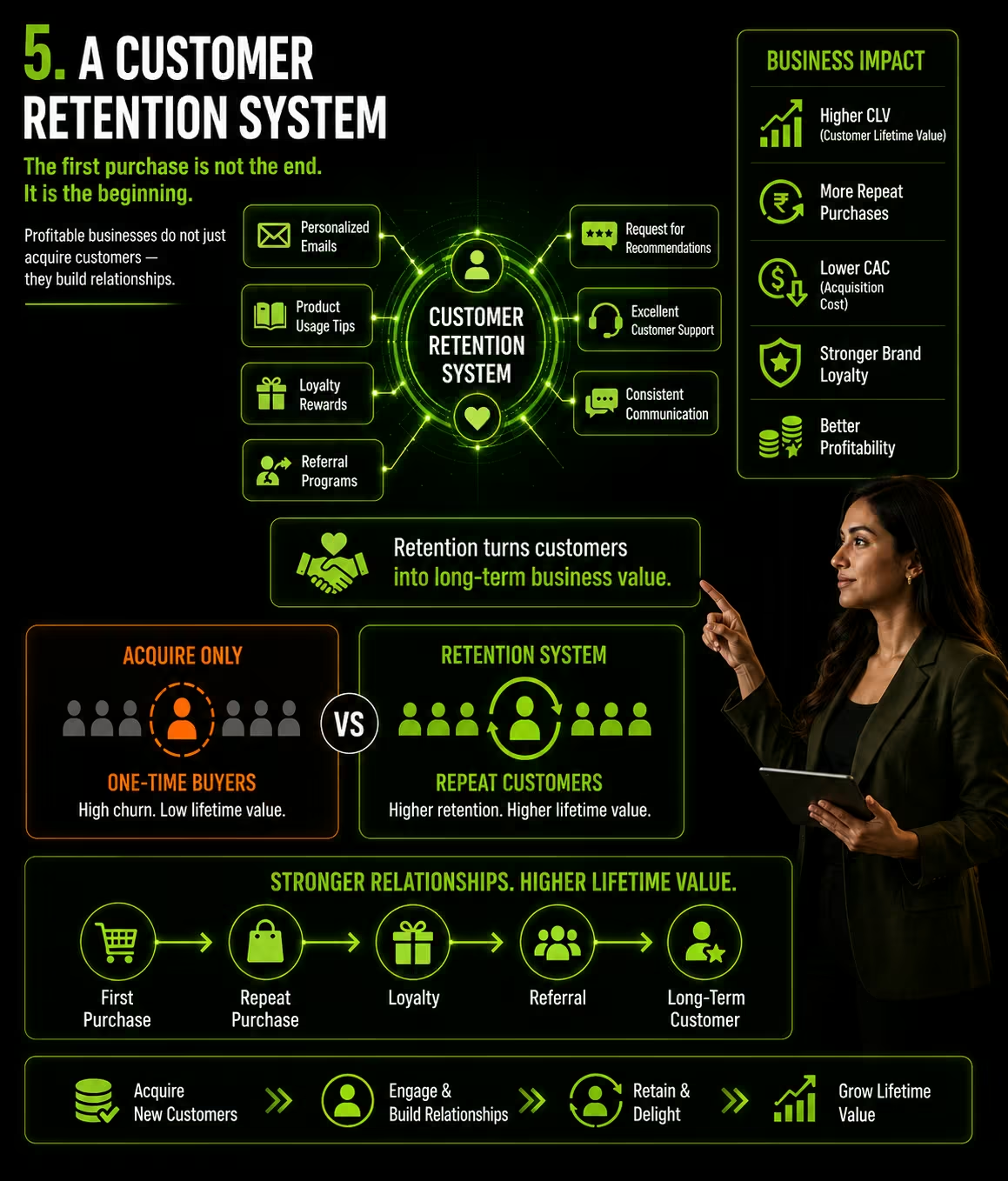
The first purchase should never be the end of the customer journey. It should be the beginning of a long-term relationship. Successful businesses focus on increasing customer lifetime value instead of constantly chasing new customers.
Keep customers engaged through helpful email sequences that educate, nurture and encourage repeat purchases.
Help customers get maximum value from every purchase by sharing practical product education and usage guides.
Encourage repeat purchases through exclusive rewards, points and VIP customer benefits.
Stay connected with personalized updates, product launches and customer support.
Turn satisfied customers into brand advocates by rewarding successful referrals.
Higher customer lifetime value creates stronger profitability and sustainable long-term growth.
Acquiring a customer is expensive. Retaining them is where real profitability begins.
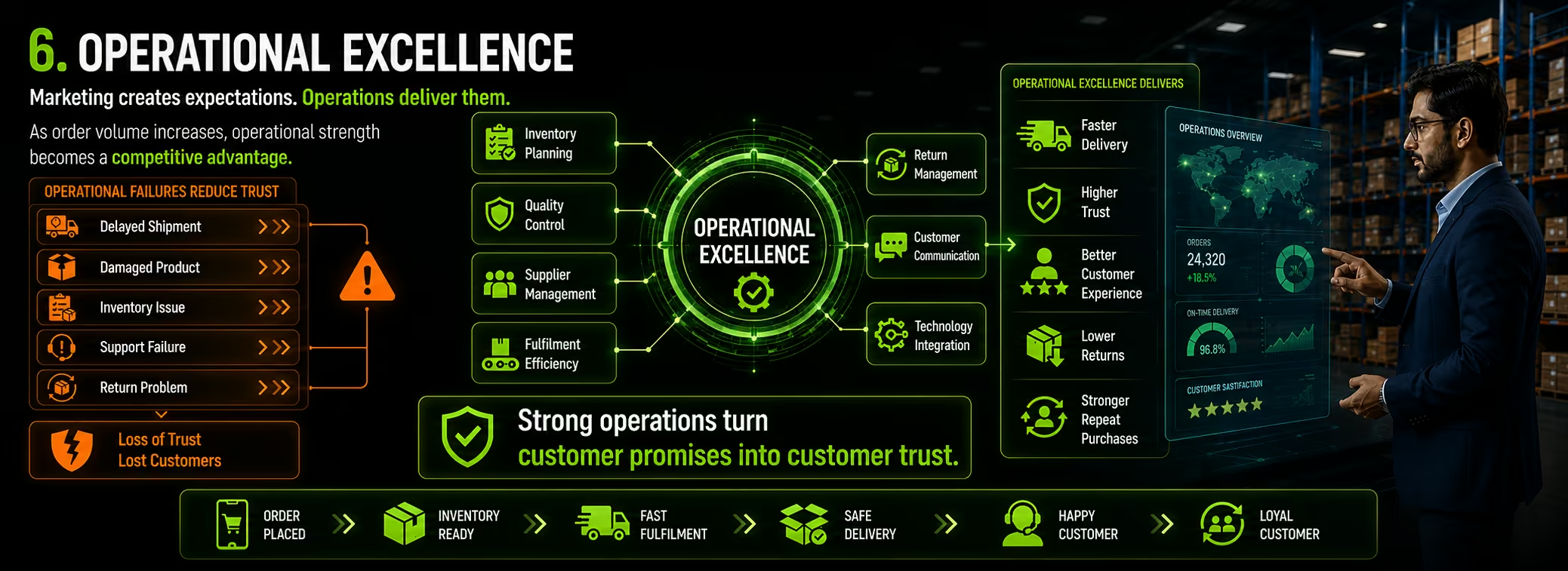
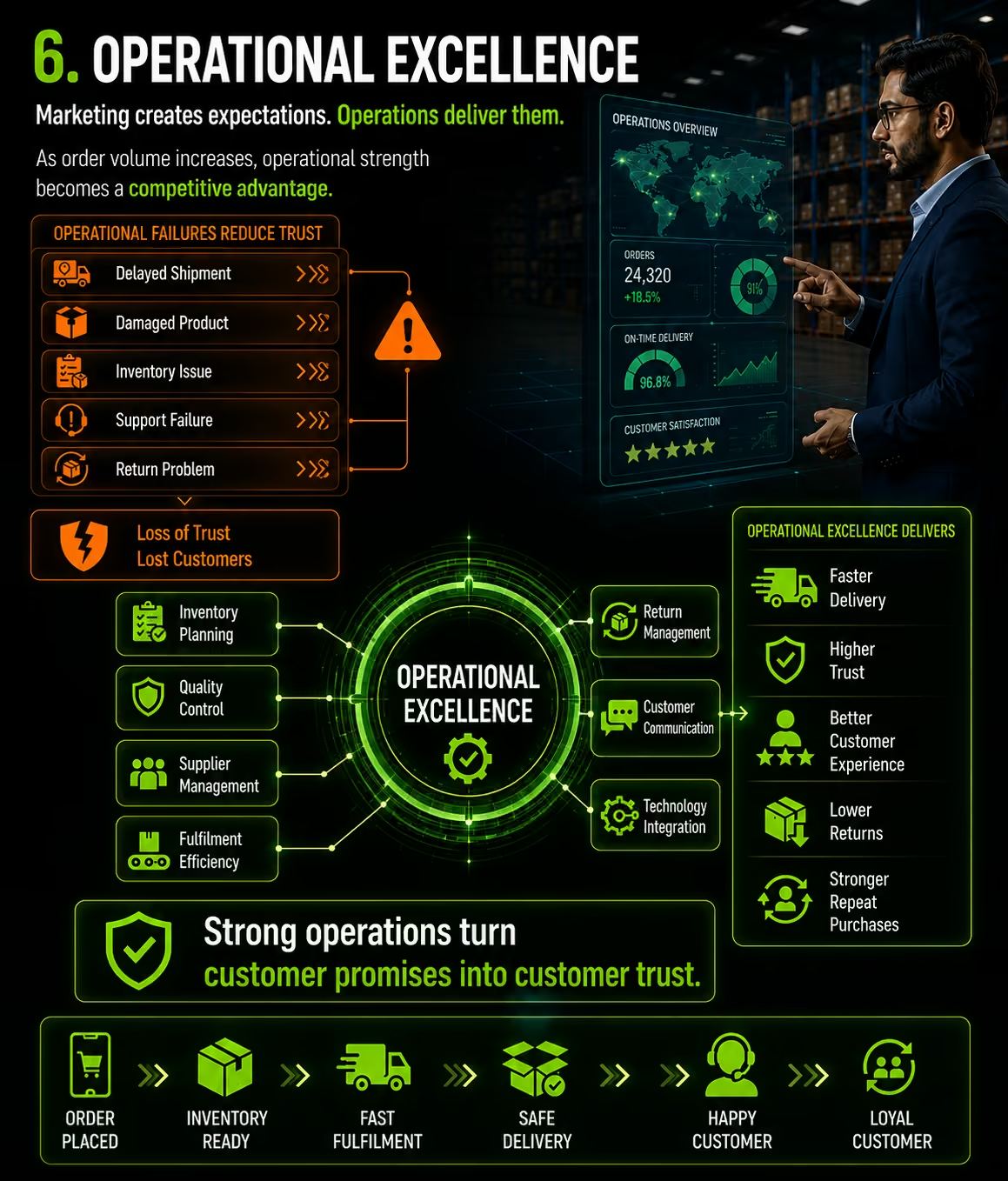
Marketing creates expectations, but operations deliver them. Every delayed shipment, damaged product, inventory issue, or customer support failure reduces customer trust. Operational excellence becomes a major competitive advantage as order volumes increase.
Forecast demand accurately to avoid stock shortages and unnecessary inventory costs.
Build reliable supplier relationships that support consistent business growth.
Improve warehouse workflows to deliver orders faster and more accurately.
Maintain consistent product quality and reduce customer complaints.
Create smooth return processes that strengthen customer confidence.
Deliver fast and helpful support that turns customers into loyal advocates.
Great marketing wins the first order. Great operations win every order after that.
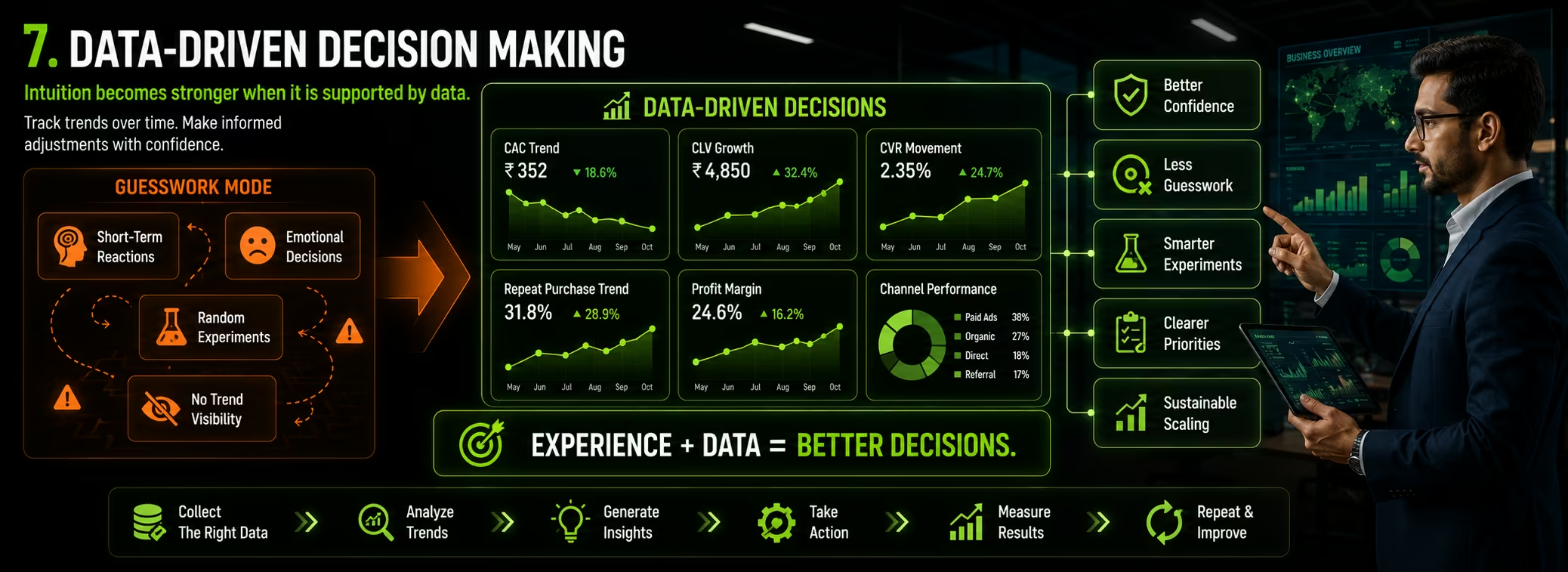
Successful founders don't eliminate intuition—they strengthen it with data. Instead of making decisions based on assumptions, growing businesses rely on measurable insights to identify opportunities, solve problems, and scale with confidence.
Monitor CAC to ensure every marketing investment remains profitable.
Measure long-term customer value instead of focusing only on first purchases.
Track contribution margin, gross profit and net profit regularly.
Improve conversion rate, average order value and repeat purchase rate.
Identify profitable products, inventory turnover and slow-moving stock.
Compare every sales channel to understand where growth is most profitable.
Better data creates better decisions. Businesses that consistently measure performance solve problems faster and scale with far greater confidence.
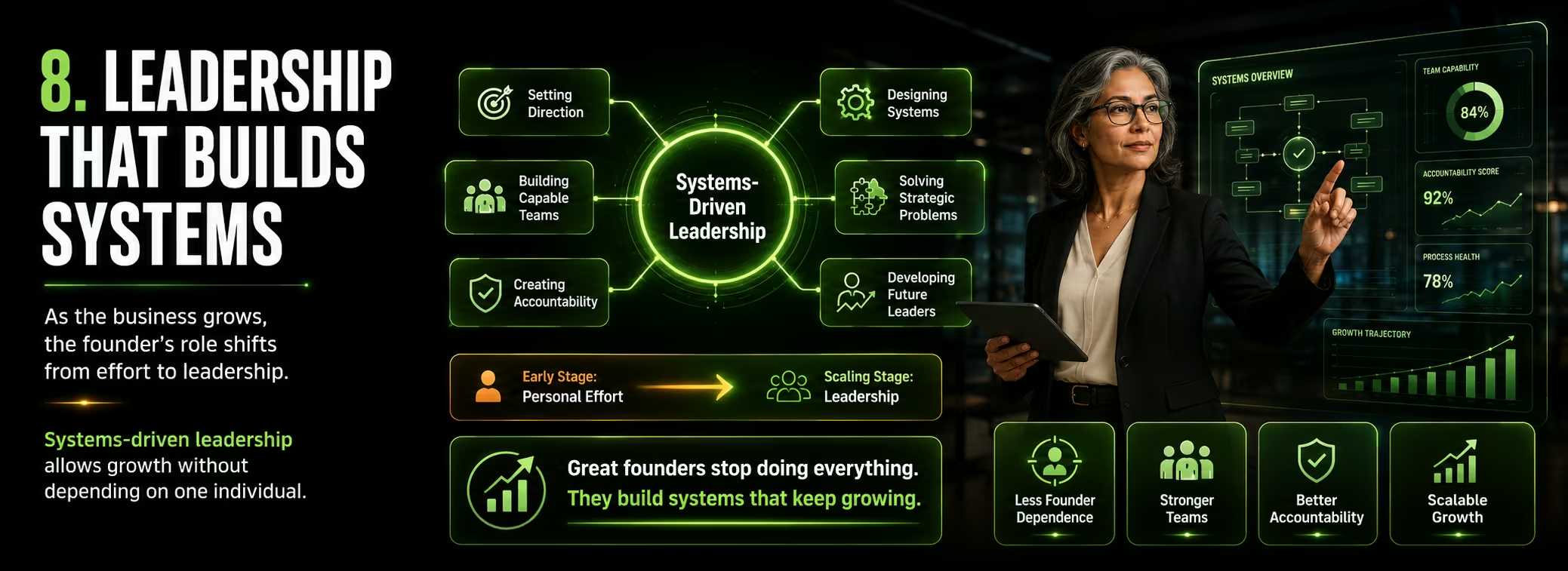
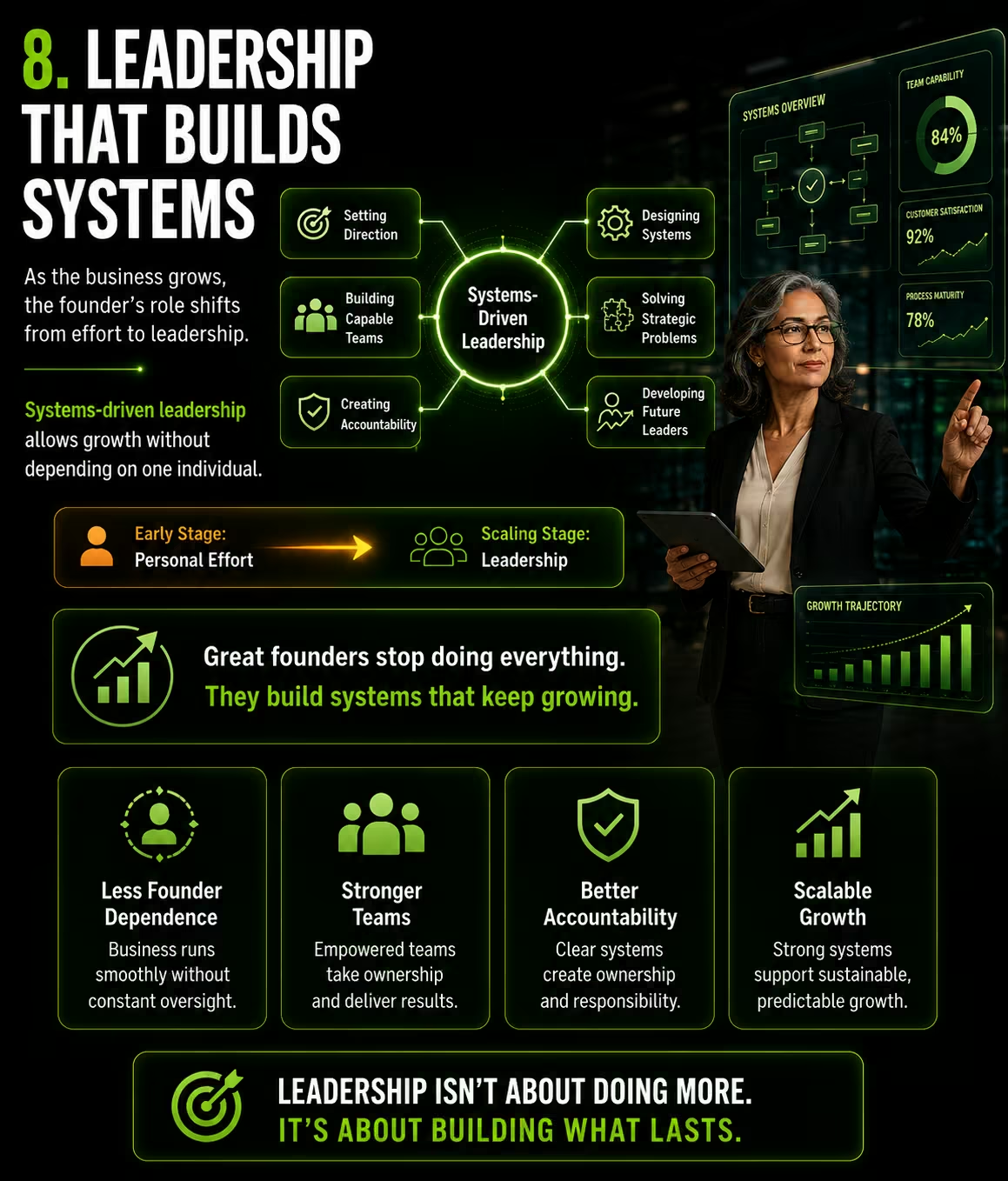
The founder's role changes as the business grows. In the early stages, founders create momentum through personal effort. During the scaling stage, they create momentum through leadership, systems, and empowered teams. Sustainable businesses are built by leaders who design systems that continue to perform even when they are not involved in every decision.
Define long-term business goals and ensure every team works toward the same vision.
Hire, mentor, and empower capable people who can make decisions independently.
Establish ownership, clear responsibilities, and measurable performance indicators.
Replace manual processes with documented workflows and scalable operating systems.
Focus on business opportunities, innovation, and long-term growth instead of daily firefighting.
Build leadership within the organization so the business continues to grow beyond the founder.
Great founders don't build businesses that depend on them. They build systems, develop leaders, and create organizations that continue growing long after the founder steps away from daily operations.
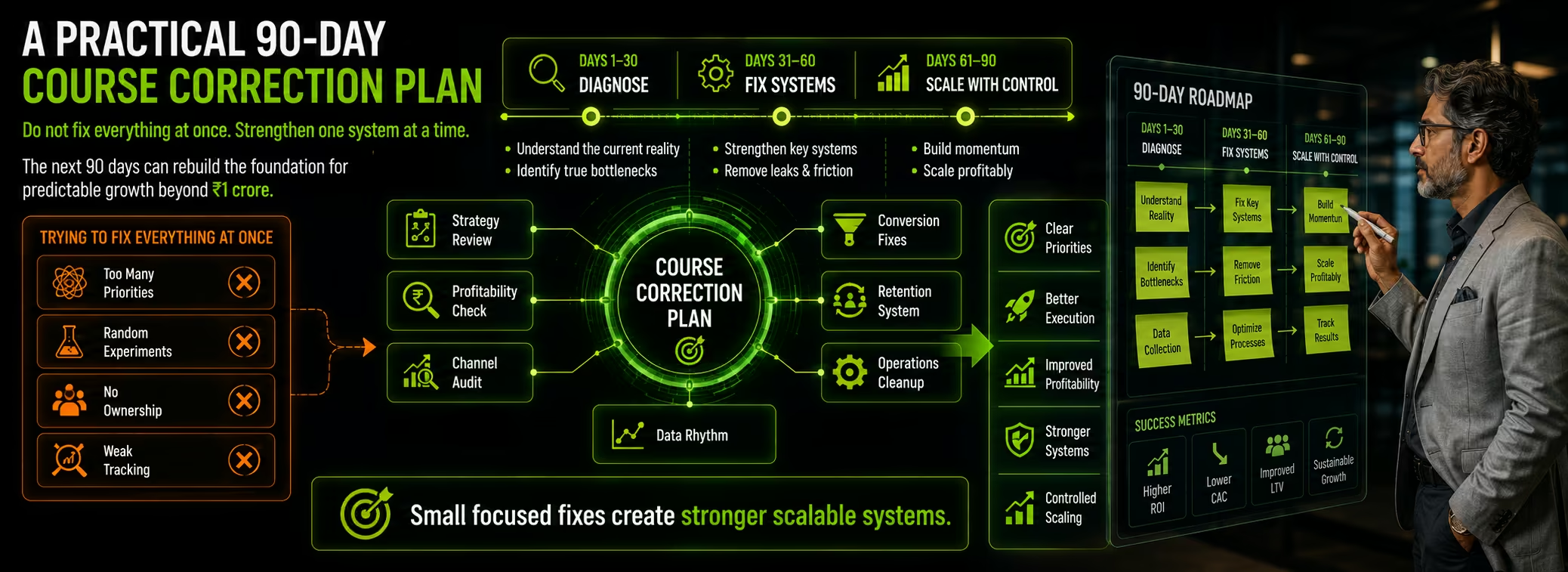
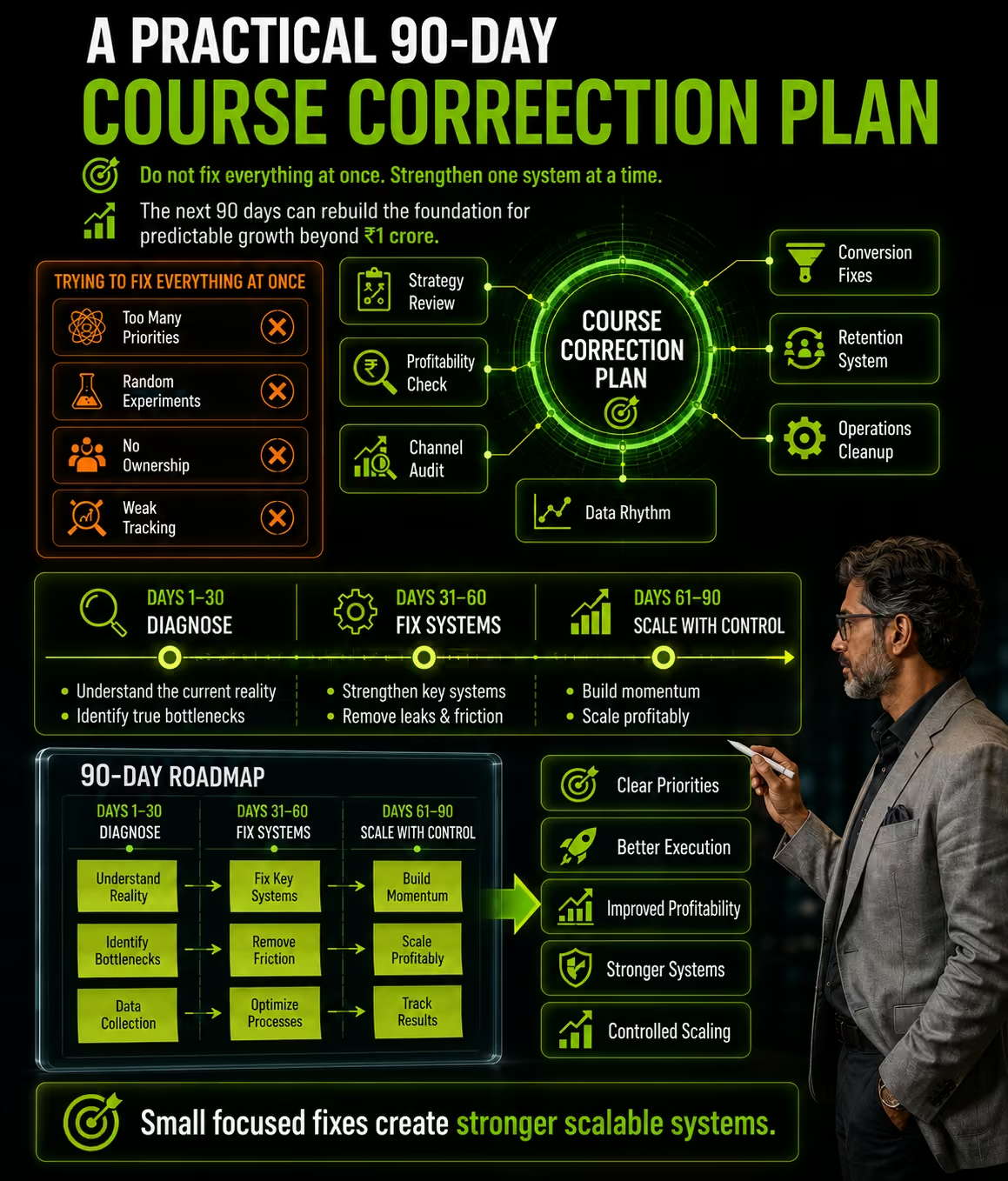
If your business is currently generating between ₹30–50 lakhs per month, the next ninety days can become an excellent opportunity to strengthen your foundation. Rather than fixing everything at once, focus on one improvement at a time.
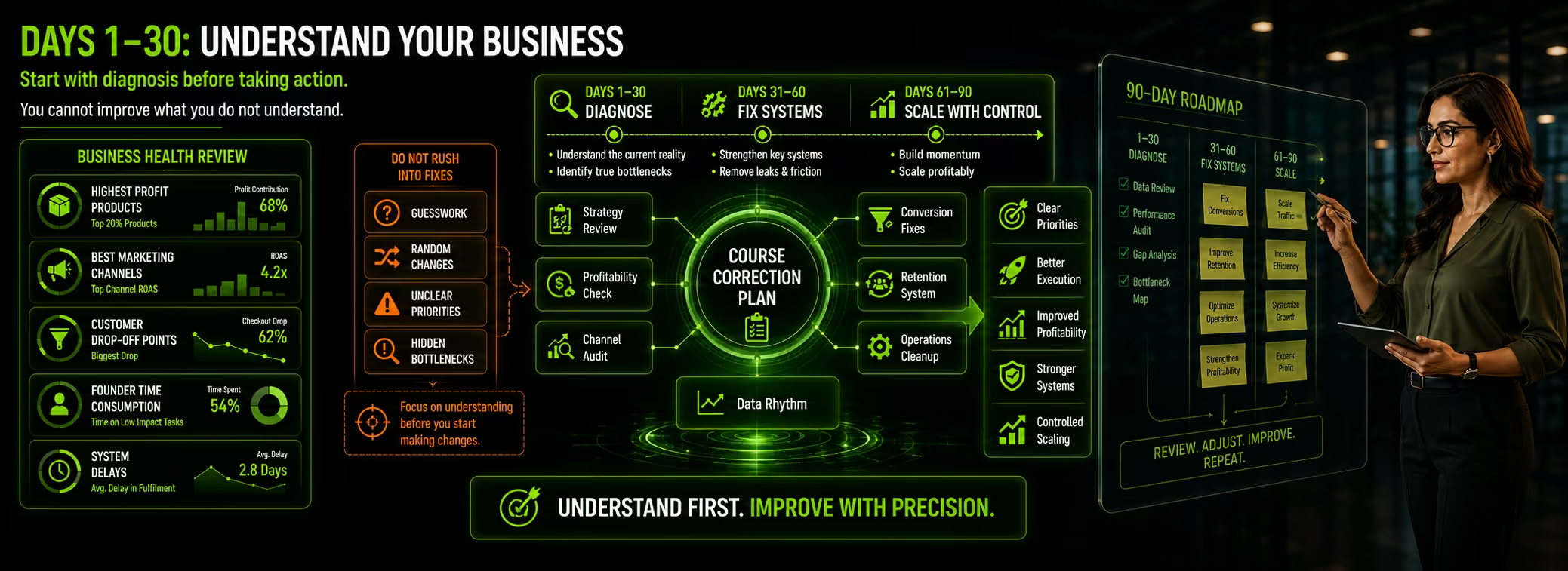
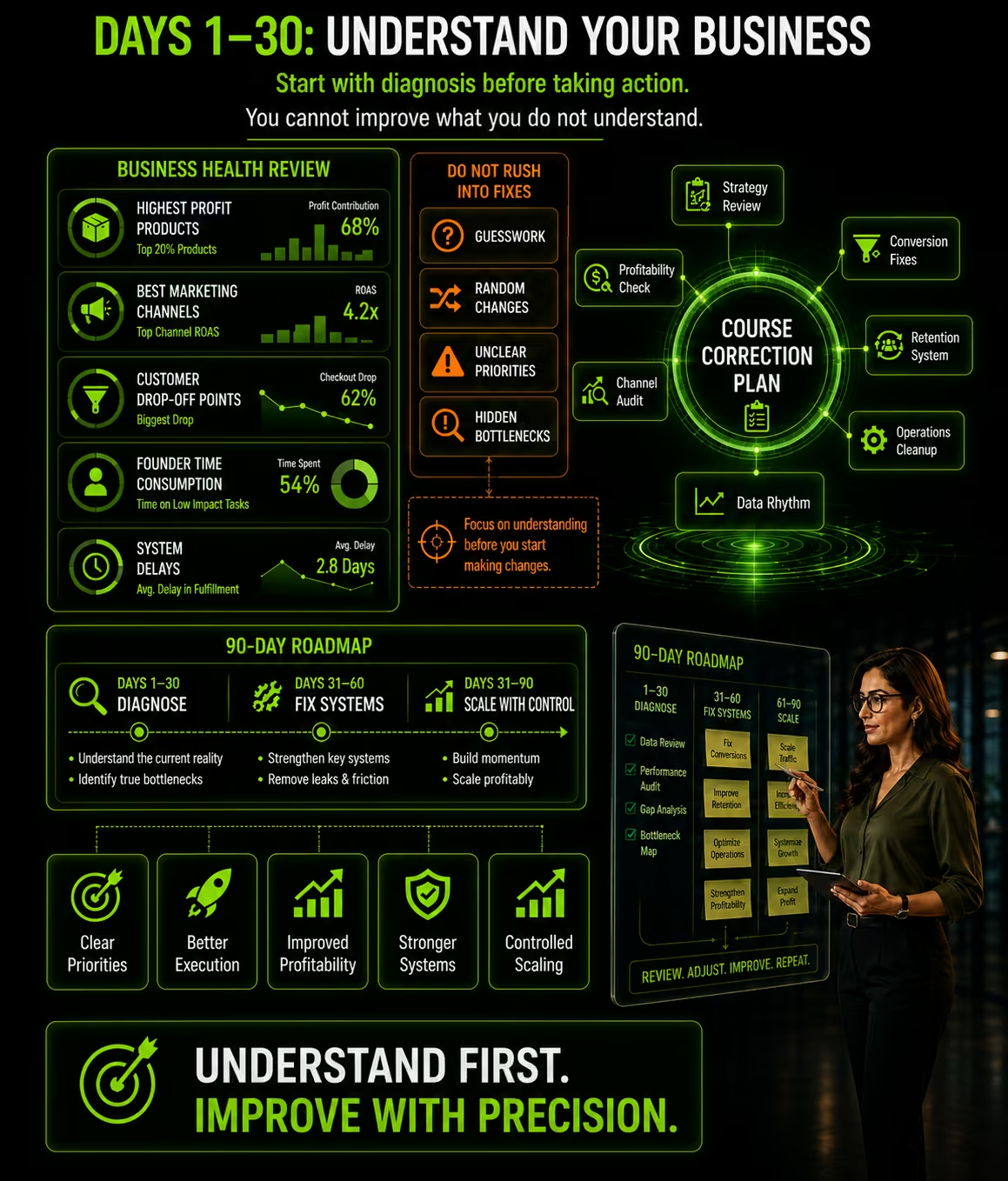
Start by reviewing your current position. Before making changes, understand exactly where your business stands.
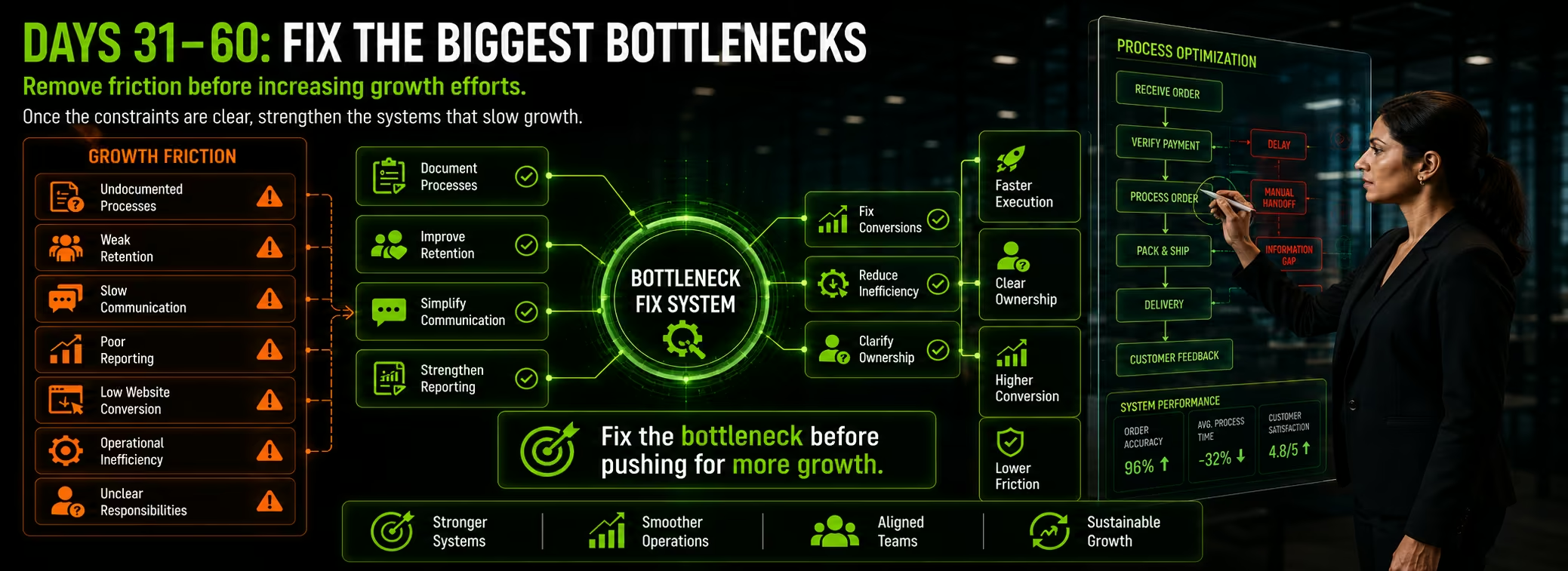
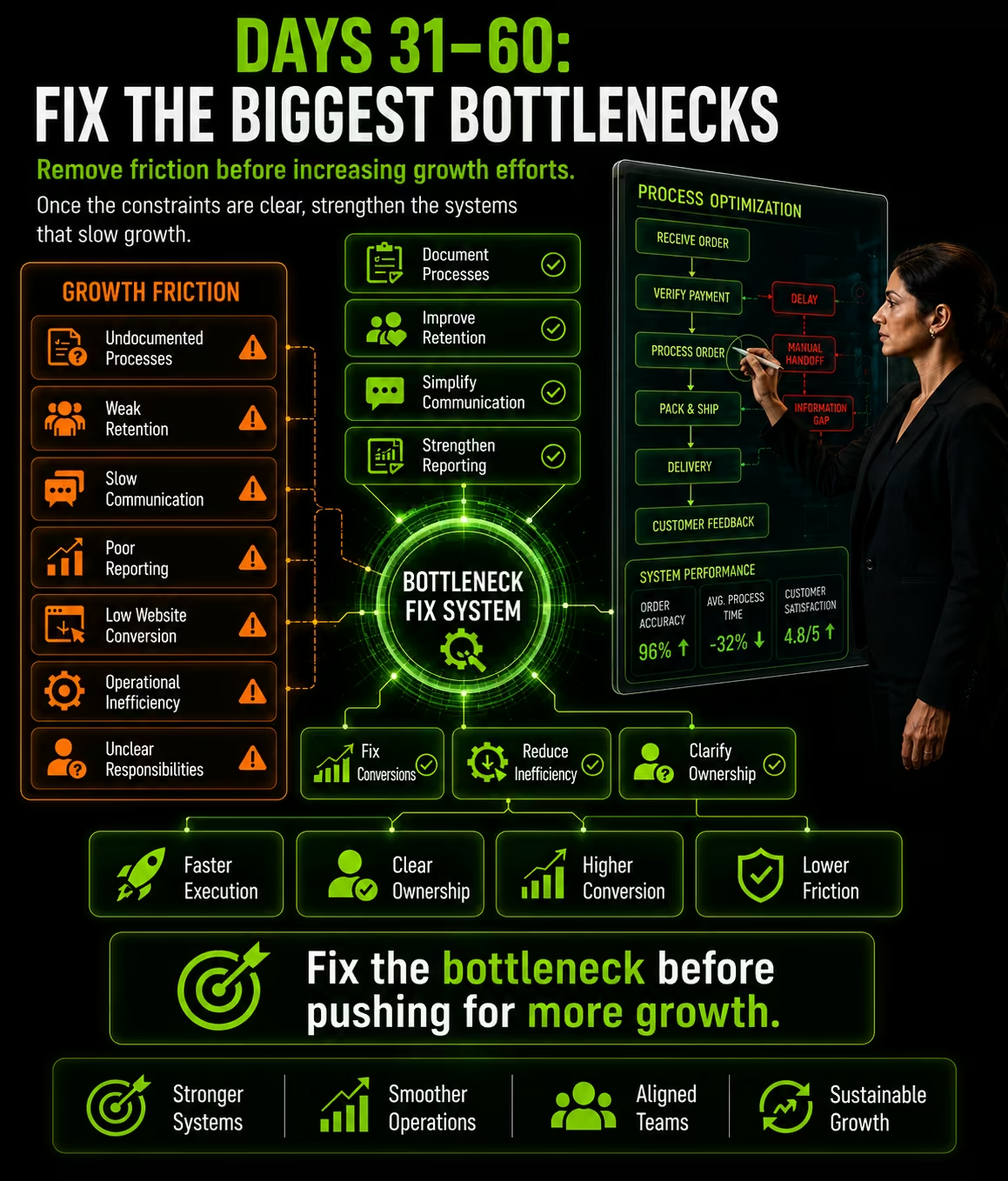
Once you identify the largest constraints, begin removing friction across the business.
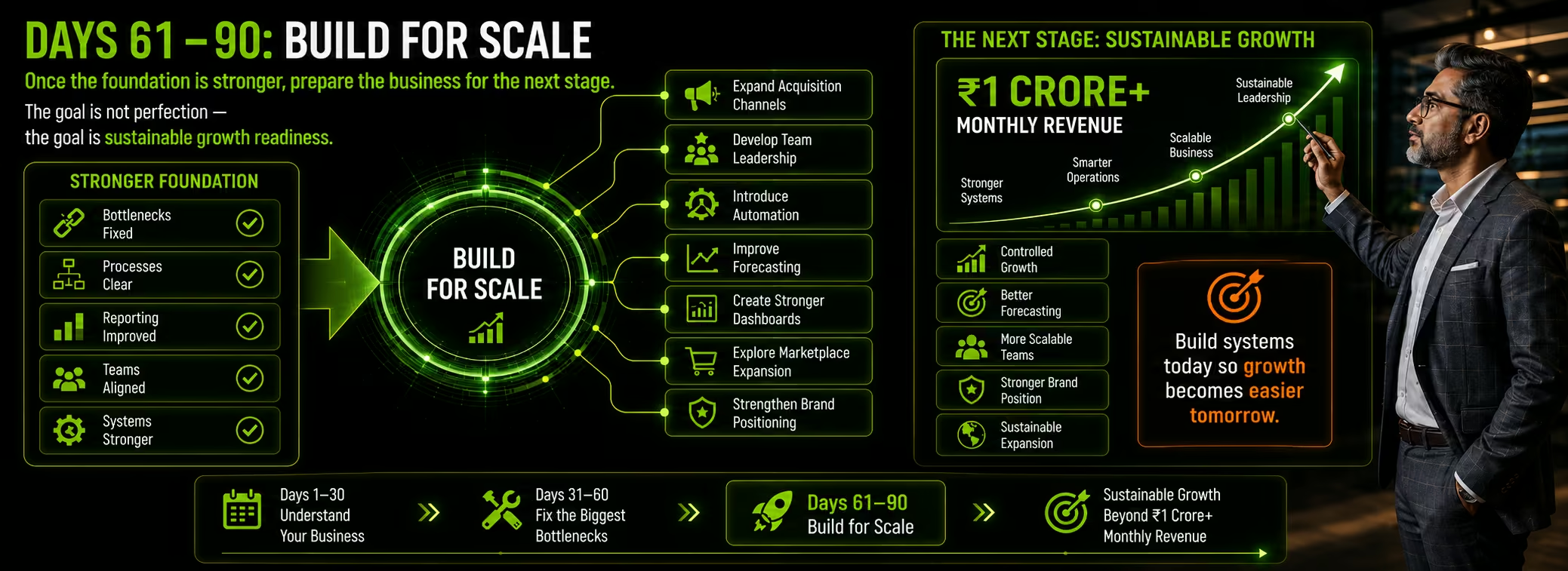
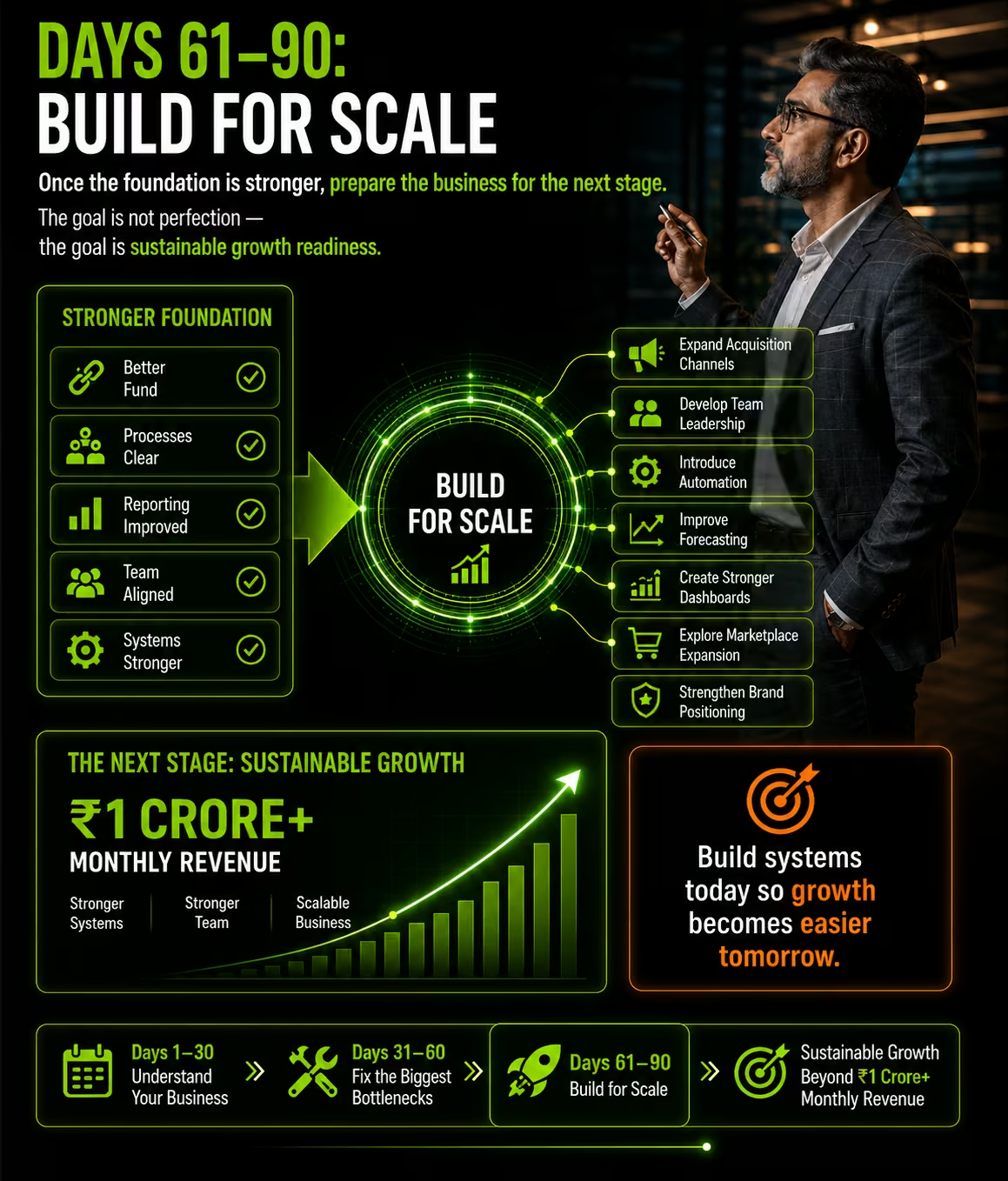
Once the foundation is stronger, begin preparing for the next stage of sustainable growth.
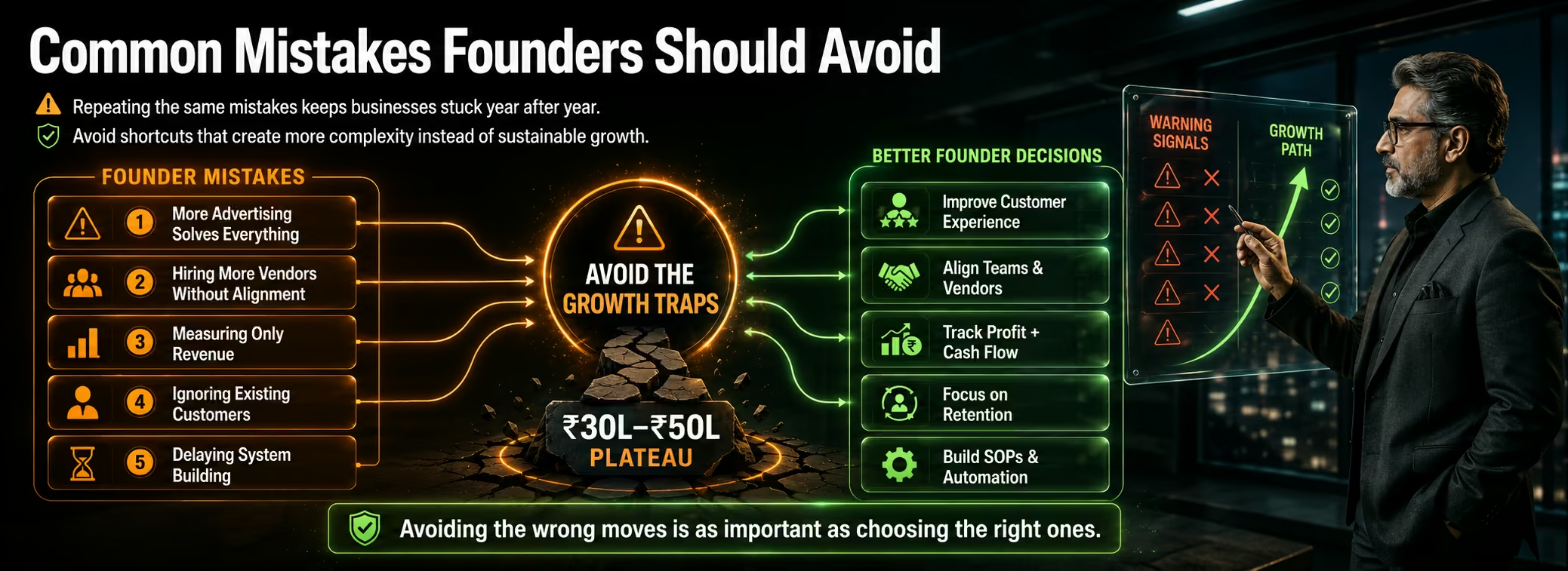
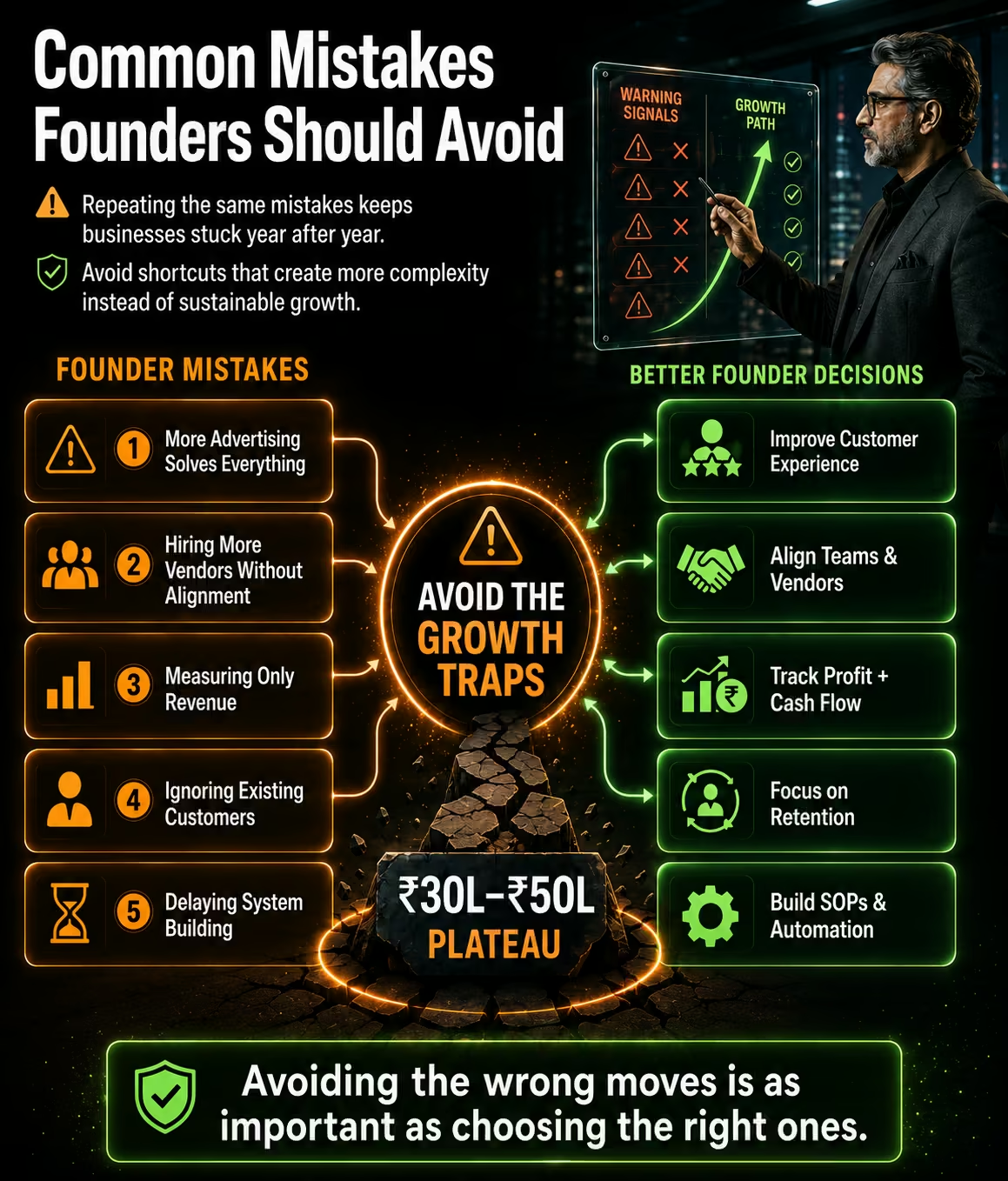
Many businesses remain stuck because they repeat the same mistakes year after year. Recognizing these patterns early can help you build stronger systems, improve profitability, and scale with greater confidence.
Advertising can accelerate growth. It cannot fix poor customer experience, weak positioning, or operational problems.
Adding more agencies rarely creates better coordination. Often, it creates more complexity.
Revenue is important. Profitability, cash flow, customer satisfaction, and retention are equally important.
Acquiring a new customer usually costs far more than retaining an existing one. Retention deserves continuous attention.
Many founders postpone documentation, automation, reporting, and delegation because they feel "too busy." Ironically, those systems are what reduce busyness over time.
Sustainable growth rarely comes from working harder. It comes from eliminating the habits and bottlenecks that repeatedly slow your business down.
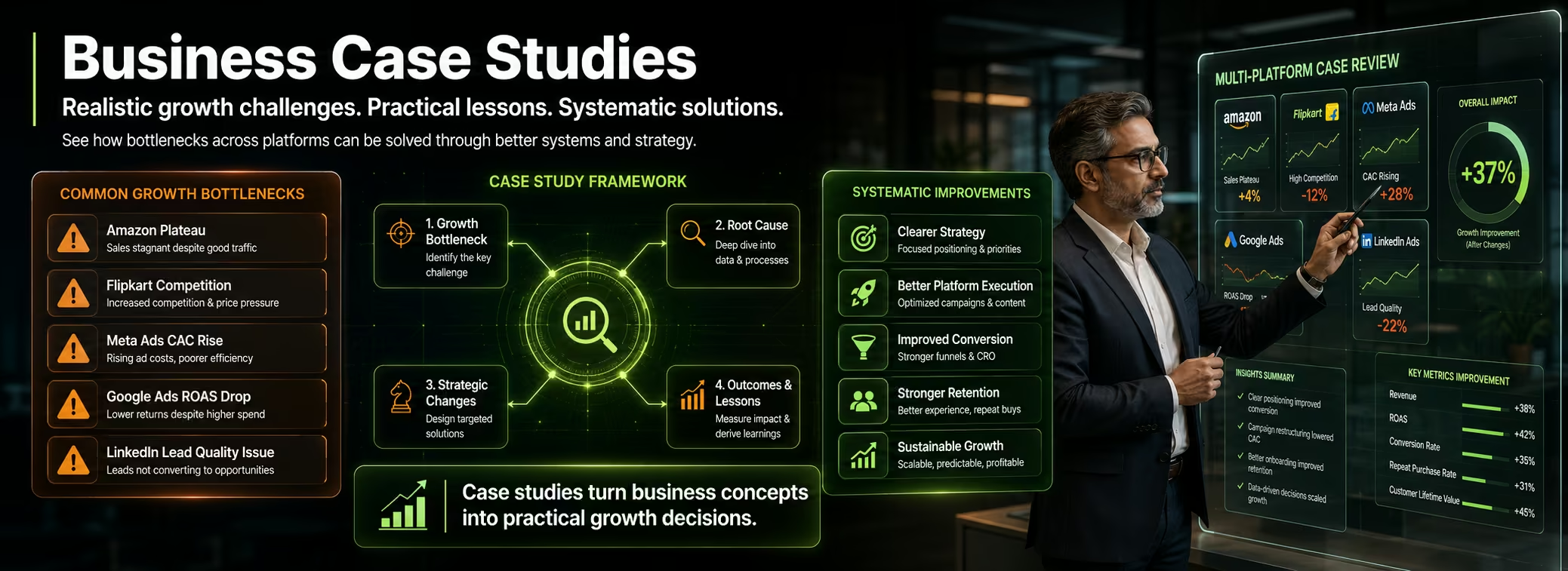
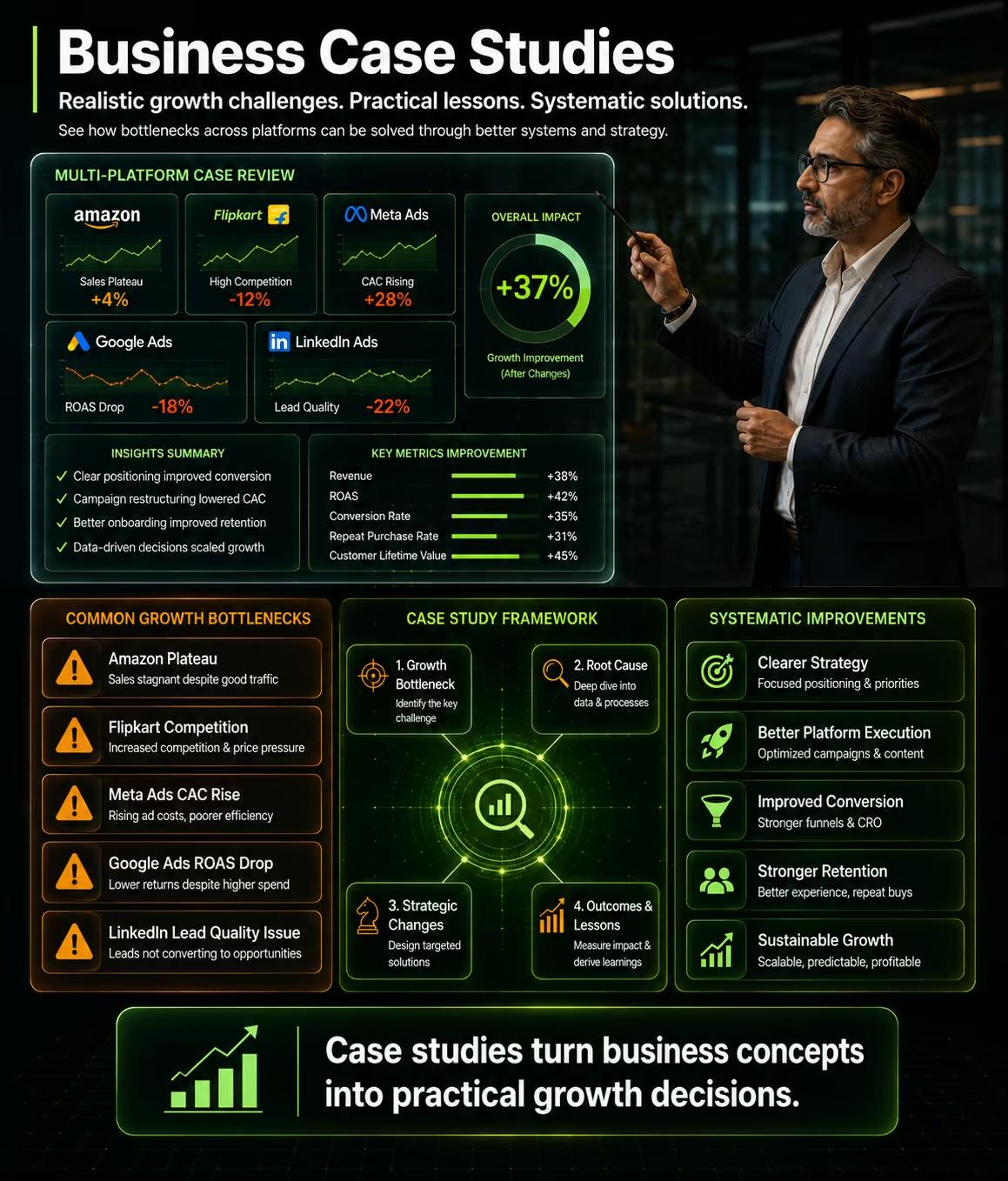
Throughout this guide, you'll find case studies based on common growth challenges faced by D2C and online service businesses. These examples reflect realistic situations across Amazon, Flipkart, Meta Ads, Google Ads and LinkedIn.
To maintain confidentiality and keep every example broadly applicable, all company names, industries and identifying details have been fictionalised.
The goal isn't to showcase one company. It's to help founders recognise patterns that repeatedly prevent businesses from scaling.
The challenge limiting business growth.
The hidden issue slowing down progress.
Practical improvements implemented.
Results and key business insights.
Sales were inconsistent and the brand was losing visibility on high-intent keywords.
Product titles, bullet points, images and backend keywords were poorly optimised. Reviews and conversion rates were not actively managed.
Organic visibility improved, conversion rates increased, and dependence on paid promotions reduced significantly.
Strong demand alone isn't enough. Listing quality, keyword optimisation and review management directly influence Amazon growth.
Revenue was increasing, but profitability continued to decline.
Heavy discounting, rising logistics costs and lack of SKU-level profitability analysis.
Sales remained healthy while net margins and cash flow improved.
Marketplace success should never be measured by revenue alone. Profitability must be monitored at both SKU and channel level.
Click-through rates were acceptable, but purchases remained consistently low.
Weak creative strategy, poor landing page alignment, and audience targeting that was too broad.
Return on Ad Spend improved, conversion rates increased, and wasted advertising spend reduced significantly.
Meta Ads perform best when creative, audience targeting, landing pages, and customer experience work together.
Lead volume remained high, but conversion into paying customers stayed low.
Campaigns targeted mixed keyword intent, landing pages failed to qualify visitors, and negative keywords were not being used effectively.
Lead quality improved dramatically, sales teams spent less time on poor-quality enquiries, and conversion rates increased.
Google Ads generate powerful results only when search intent, keyword selection, and landing page relevance are perfectly aligned.
A B2B consulting firm was active on LinkedIn but was not converting visibility into meaningful business leads.
The founder had a strong personal profile, but inbound enquiries remained limited.
The content was too generic, messaging wasn't tailored for decision-makers, and there was no lead nurturing system.
The firm began attracting higher-quality B2B conversations and increased qualified inbound opportunities.
LinkedIn performs best when positioning, educational content, and outreach support a clear business objective.
A consumer brand was active across Amazon, Flipkart, Meta Ads, and Google Ads, but the overall business became increasingly difficult to manage.
Every channel generated results independently, but the business lacked one unified growth strategy.
Teams worked in silos, reporting was inconsistent, and customer data was fragmented across platforms.
The company improved visibility, coordination, profitability, and strategic decision-making across every sales channel.
Scaling across multiple platforms requires integration, not just more activity.
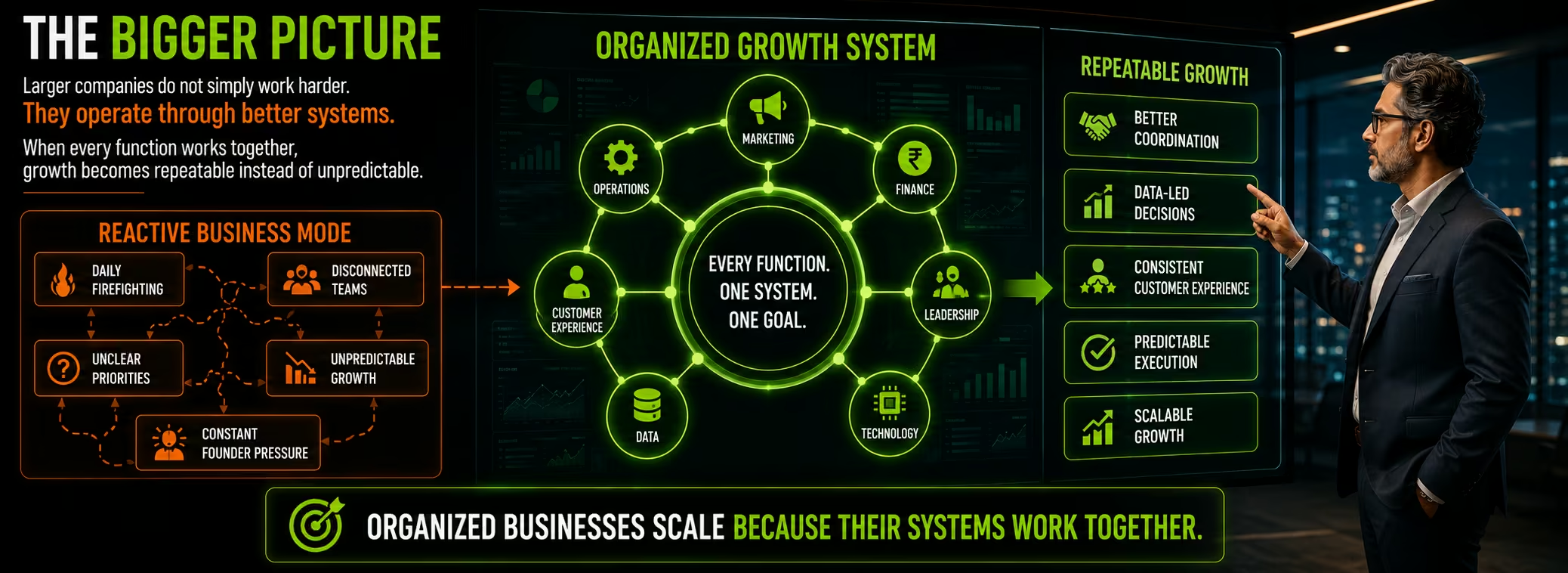
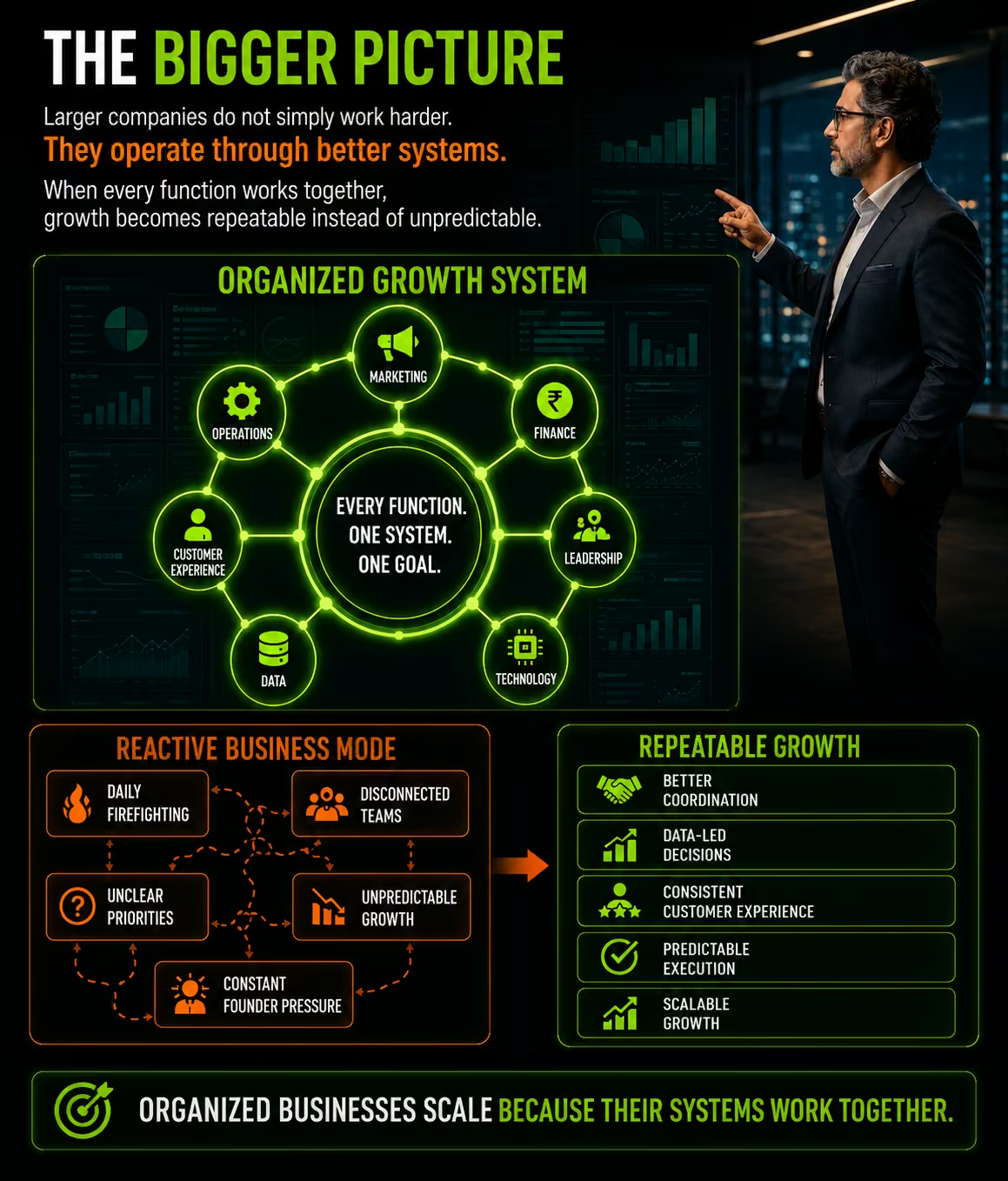
One of the biggest misconceptions about business growth is that larger companies simply work harder. In reality, larger companies usually have better systems. Their marketing teams communicate with operations. Their finance teams understand marketing. Leadership makes decisions using data. Customer experience remains consistent across every touchpoint. Growth becomes repeatable rather than unpredictable. That is why scaling often feels easier for organized businesses than for companies constantly reacting to daily problems.
Growth slows because of systems—not just marketing.
Healthy margins create long-term growth opportunities.
Retention consistently outperforms constant acquisition.
Marketing, operations and leadership should work together.
Metrics remove assumptions and improve decision making.
Systems create sustainable growth beyond ₹1 crore/month.
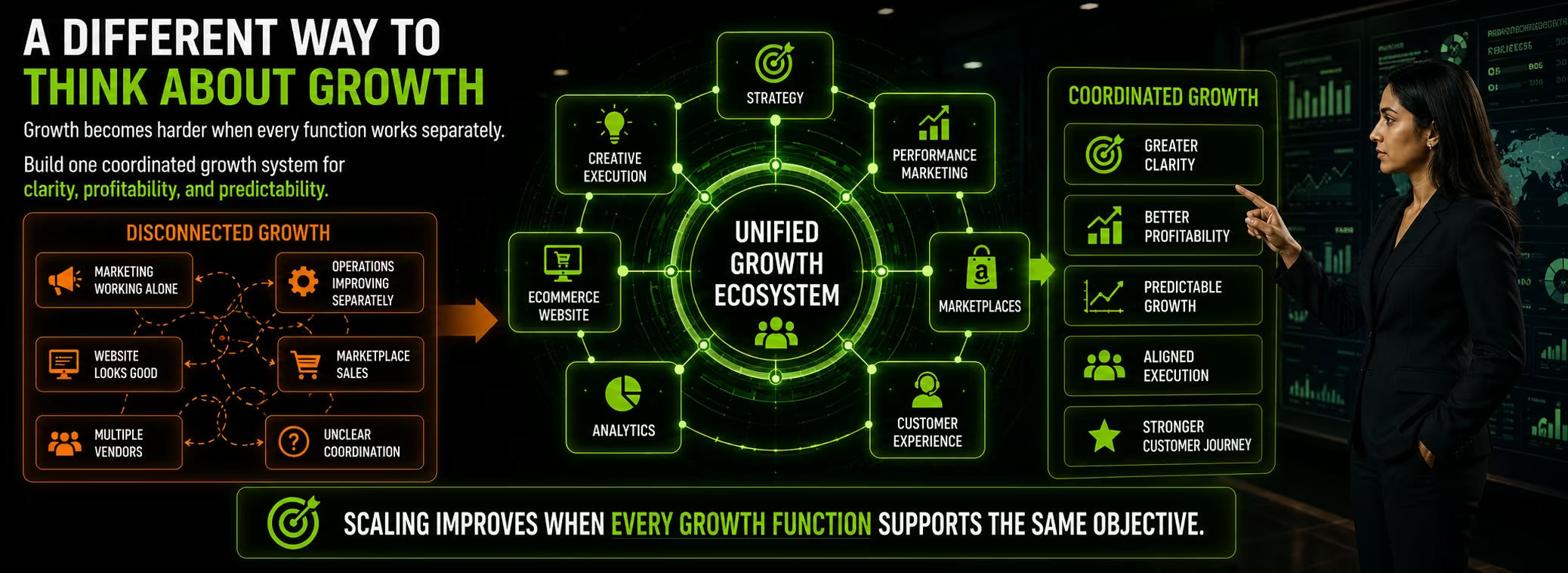
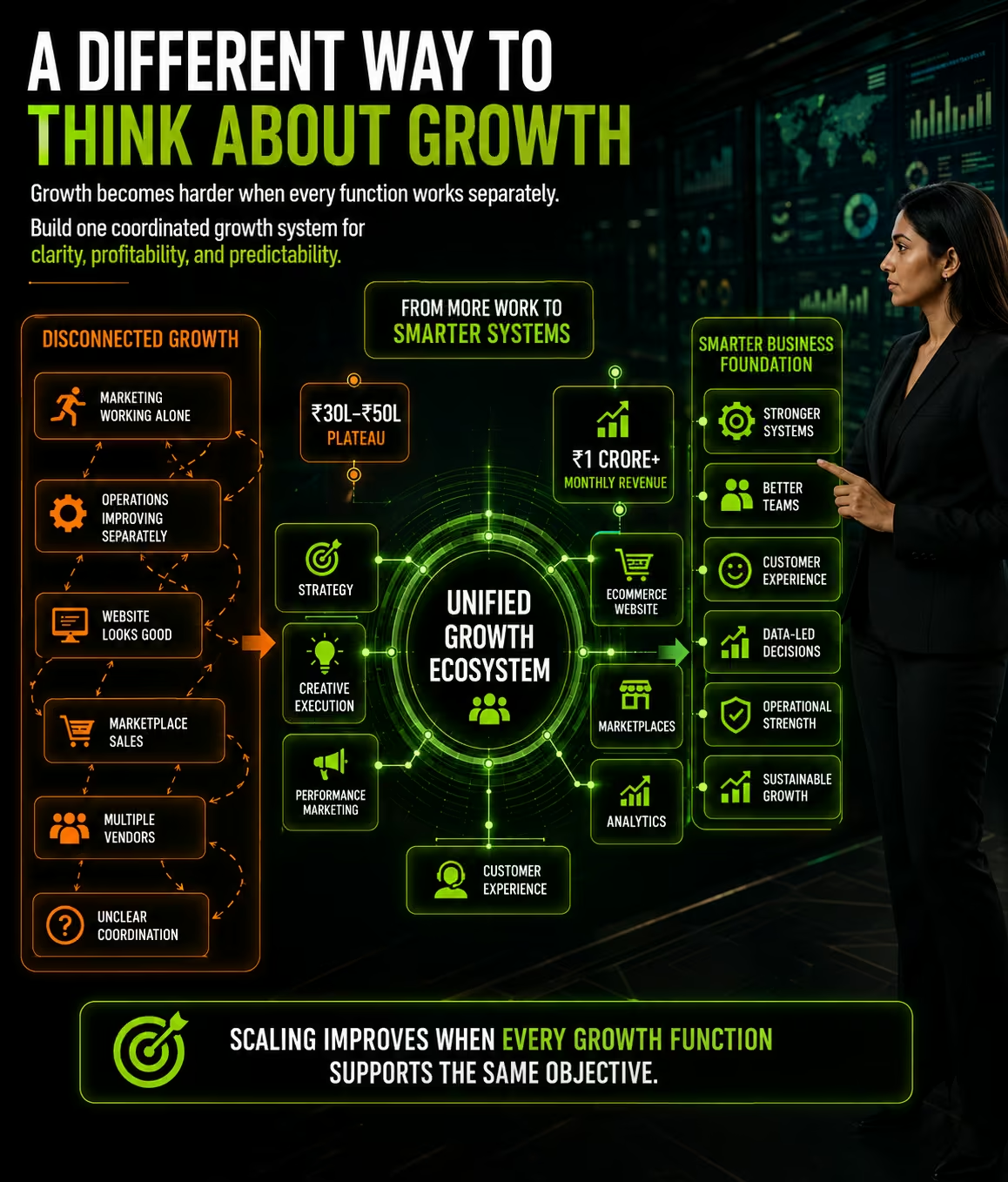
At Tatvagya Consultants, we have observed a common pattern among growing businesses. Most founders are not short of ambition. They work hard, understand their products, and know their customers well. What often limits growth is not effort— it is the challenge of connecting every part of the business into one coordinated growth system.
Marketing may be working. Operations may be improving. The website may look professional. Marketplaces may generate sales.
Yet if these functions operate independently, scaling becomes unnecessarily difficult. Sustainable growth happens when every department supports the same business objective.
The objective is not simply to grow faster. It is to grow with greater clarity, profitability, and predictability.
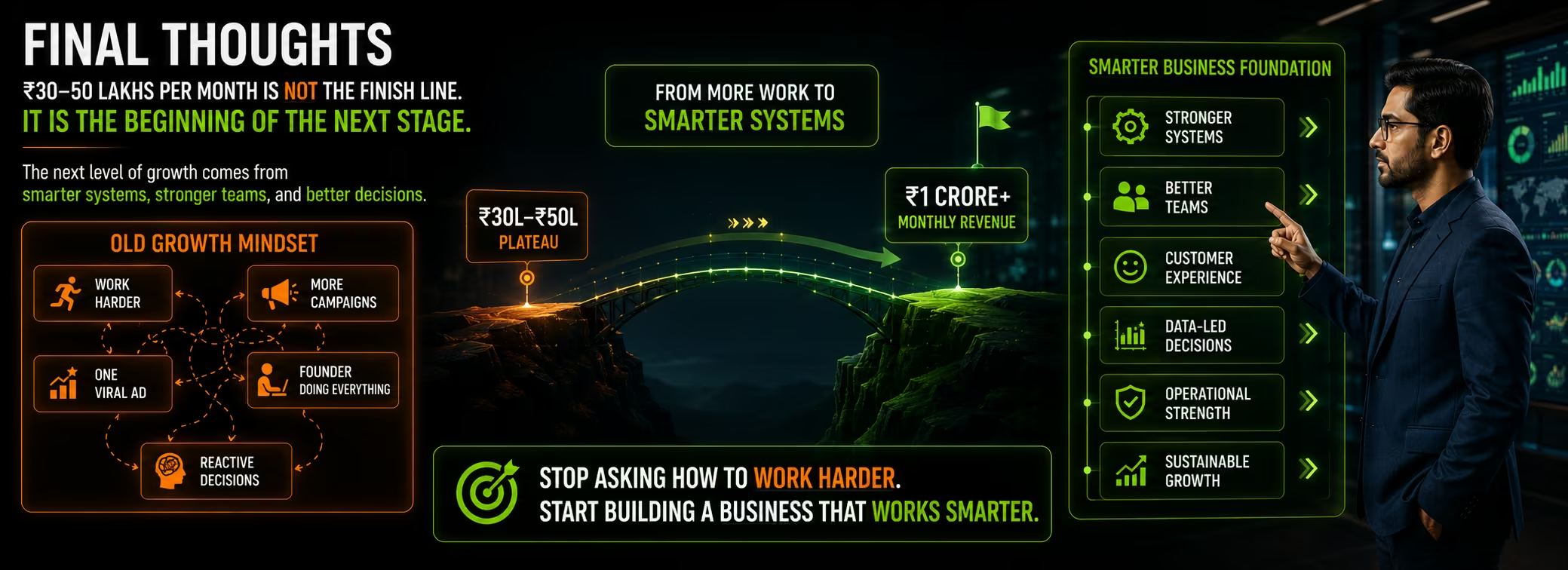
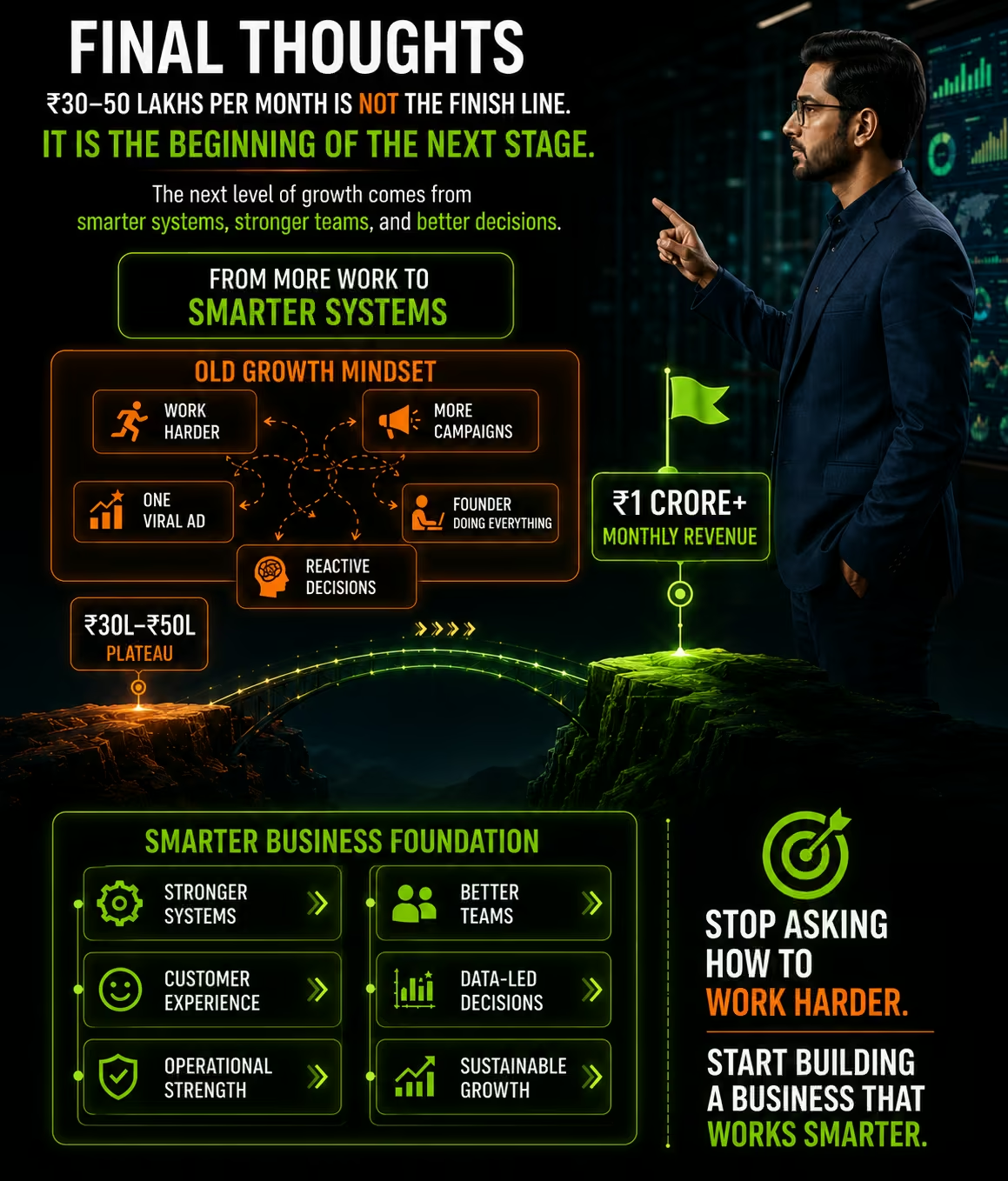
Reaching ₹30–50 lakhs per month is not the finish line. It is the beginning of a completely different stage of business. The skills, systems and leadership that brought you this far deserve recognition, but they may not be enough for the next stage.
Crossing ₹1 crore per month rarely happens because one advertisement goes viral or one campaign performs exceptionally well. It usually happens because the business gradually becomes stronger across every important function.
Invest in systems before they become emergencies.
Create capable teams before becoming overwhelmed.
Solve customer problems before complaints increase.
Use data instead of assumptions.
If your business is currently navigating the journey between ₹30 lakhs and ₹1 crore per month, remember that you are not facing an unusual problem. You are simply entering the stage where building better systems becomes more important than doing more work. Businesses that embrace this transition are usually the ones that continue growing for years to come.